
Home / Business and Economy / Europe's Solar Boom Creates Grid Chaos
Europe's Solar Boom Creates Grid Chaos
6 May
Summary
- Europe's solar capacity grew over 115% since 2020.
- Negative power prices disrupt producer finances.
- Massive battery storage and grid upgrades are needed.
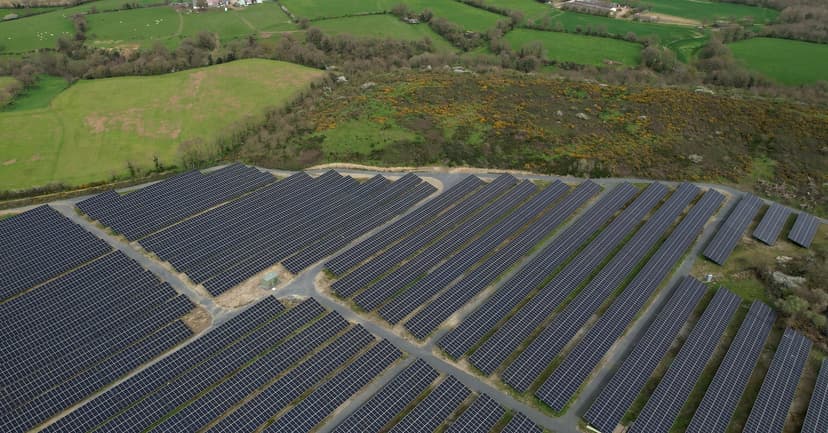
Europe's solar capacity has surged by over 115% since 2020, a significant success for clean energy. However, this rapid growth is now creating complicated side effects for the continent's power grids and markets. The increase in solar generation is no longer just displacing fossil fuels but is actively reshaping electricity prices and market operations.
This "solar flood" necessitates a shift for European power firms. The focus must move from simply adding capacity to integrating networks, building substantial storage, and operating complex markets. These changes are crucial to ensure the system remains stable and functional for all energy consumers across Europe.
In Germany, solar power generated a record one-third of utility electricity in April, with its share expected to rise. This puts increasing strain on network managers. While curtailing fossil fuel plants can help, extreme solar surges can overwhelm system stability, especially when baseload generation is slow to adjust. Subsidy structures can also distort market signals, leading to negative power prices.
Negative pricing periods, where generators pay to offload power, depress earnings for all producers. They also increase costs for dispatchable plants. Frequent startups and shutdowns of coal plants, often needed when solar output drops, can lead to lower efficiency and higher emissions per unit. This volatility increases wear on systems, leading to more frequent maintenance and higher operational costs.
Addressing these challenges requires significant investment in flexibility and resilience. Europe needs massive additions to battery capacity to store surplus solar energy. Utility-scale battery capacity has grown exponentially, but further vast extensions are still necessary across various time scales. Complex upgrades to grid equipment, including inverters, transformers, and transmission lines, are also essential.
Software upgrades and market incentives driving real-time shifts in power use by consumers are vital. These extensive upgrades are a monumental undertaking. If successful, they will enable Europe to transition from fossil fuel dependence to a cleaner, more self-sufficient power network, potentially fostering new economic growth.
