
Home / Business and Economy / BoE Holds Rates Steady Amidst Inflationary Shock
BoE Holds Rates Steady Amidst Inflationary Shock
30 Apr
Summary
- Bank of England maintained interest rates at 3.75% for the third time.
- Policymakers debated future rate movements due to war-driven inflation.
- Three distinct scenarios model the impact of soaring energy prices.
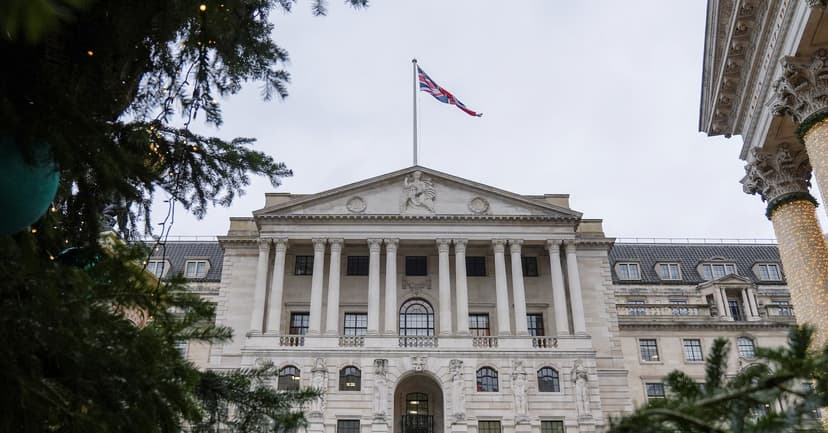
The Bank of England's Monetary Policy Committee (MPC) decided to maintain the Bank Rate at 3.75% for the third successive meeting. This decision was made as the committee evaluates the inflationary consequences of the ongoing conflict in Iran.
Policymakers presented three distinct scenarios forecasting the effects of escalating energy prices on the UK economy. These scenarios consider variations in oil and gas price paths, consumer spending, and the potential for "second-round effects"—where initial price rises lead to further inflation.
Individual MPC members expressed differing views on the future path of interest rates. Governor Andrew Bailey noted a trade-off between inflation and economic output, with his current lean towards Scenario B, though acknowledging potential for Scenario C. Deputy Governor Sarah Breeden suggested that tightened financial conditions offer sufficient restrictiveness for now, while Deputy Governor Clare Lombartdi emphasized the need for continued assessment.
Other members, like Megan Greene, voiced concerns about persistent inflation, suggesting a tighter stance might be necessary soon. Swati Dhingra and Catherine Mann highlighted risks of higher inflation and potential rate hikes if conditions worsen or inflation proves entrenched. Conversely, Alan Taylor suggested a potential shift to a neutral or accommodative stance if energy prices moderate.
However, Chief Economist Huw Pill voted to increase the Bank Rate to 4%. He expressed concern about persistent inflation due to second-round effects and advocated for a prompt, modest hike to mitigate upside risks to price stability.
