Home / Arts and Entertainment / Fennell's Wuthering Heights: Sex, Death, and Black Humor
Fennell's Wuthering Heights: Sex, Death, and Black Humor
11 Feb
Summary
- Film begins with a dark joke about a public hanging.
- Characters' lives are consumed by sex, death, and family ruin.
- Adaptation deviates significantly from the original novel.
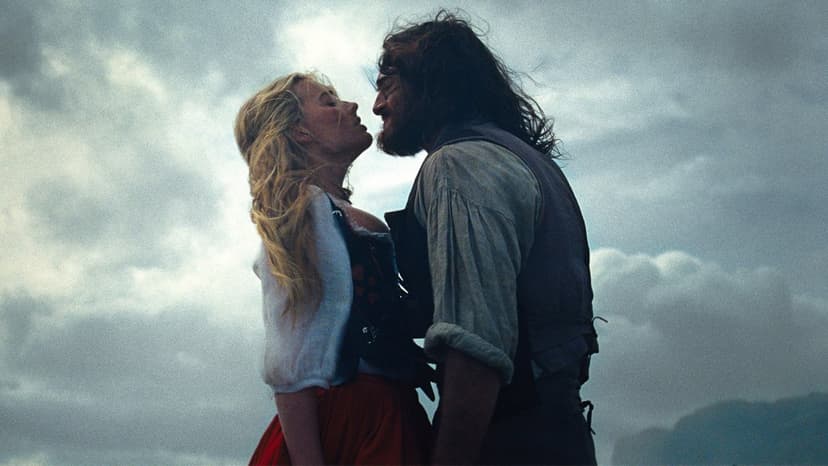
Emerald Fennell's "Wuthering Heights" reimagines Emily Brontë's gothic romance with a brutal, sexually provocative edge, a stark contrast to previous adaptations. The film opens with a darkly comedic scene of a public execution, immediately signaling its embrace of the death cult surrounding the Brontë sisters. Themes of sex and death are central to the narrative, chronicling the intertwined fates of Cathy Earnshaw and Heathcliff.
The story follows their intense connection from childhood, through Heathcliff's mistreatment by Cathy's father and Cathy's fascination with a wealthier family. Heathcliff's departure to seek his fortune, Cathy's subsequent marriage to Edgar Linton, and Heathcliff's dramatic return as a refined gentleman drive the plot. Their illicit affair and Heathcliff's marriage to Isabella Linton form the core of the film's conflict, culminating in escalating destruction.
While the film features passionate encounters, the depiction of sex is surprisingly chaste, leaving much to the imagination. The script, expected to deliver Fennell's signature black humor, struggles to find a consistent tone. The visual design alternates between austere and decorative settings, with performances noted, particularly Martin Clunes as the complex Mr. Earnshaw, but the overall impact is diminished by a lack of subtext and a predictable trajectory towards doom for many characters.