Home / Arts and Entertainment / Girls as Child Laborers in 1930s Australian Mines
Girls as Child Laborers in 1930s Australian Mines
13 Feb
Summary
- Film spotlights young girls forced into hazardous tungsten mines in 1930s Australia.
- Director's new film offers hope, unlike previous bleak frontier narratives.
- Story is inspired by the filmmaker's and co-screenwriter's family histories.
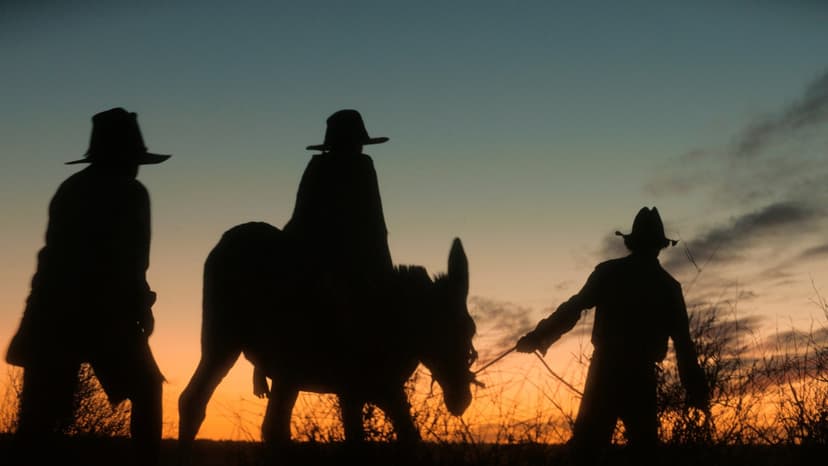
Director Warwick Thornton's "Wolfram," set in Alice Springs during the 1930s, shines a light on the exploitation of young girls as child laborers in tungsten mines. This stark period, previously depicted in Thornton's "Sweet Country," now finds a narrative of hope.
The film draws from the personal histories of Thornton and co-screenwriter David Tranter. Their ancestors, including Thornton's great-grandmother, were among those enslaved in mines like Hatches Creek. "Wolfram" contrasts with "Sweet Country" by offering a redemptive arc.
"Wolfram" follows two siblings escaping their white masters across the desert. Thornton intentionally infused this story with hope, a crucial element for his community and Australia, aiming to educate without alienating audiences.
Thornton, who also served as cinematographer, adopted a brutalist visual style to convey the harshness of the environment. The film's financing and thematic focus on colonialism have drawn varied responses, with Thornton advocating for Indigenous storytellers to present authentic historical narratives.
Despite market shifts since 2009, Thornton finds a growing younger audience eager to understand diverse histories. He maintains creative control by keeping his film budgets modest, ensuring financial viability through strong storytelling rather than star power.