



Home / Arts and Entertainment / Why TV's Villains Sing 'For He is an Englishman'
Why TV's Villains Sing 'For He is an Englishman'
17 Feb
Summary
- The song 'For He is an Englishman' is used to denote superiority.
- It satirizes blind nationalism and exceptionalism based on birth.
- The Simpsons' 'Cape Feare' episode is the gold standard usage.
The satirical song 'For He is an Englishman' from Gilbert and Sullivan's HMS Pinafore is experiencing a notable resurgence on television. This faux-patriotic piece, which critiques blind nationalism and inherent exceptionalism, has been embraced by characters embodying wealth and moral ambiguity. Recent appearances in programs such as Industry and The Night Manager have seen its protagonists using the song to underscore their self-perceived superiority.
While the song's initial reputation was that of lighthearted patriotism, its lyrics, "For he might have been a Roosian, a French, or Turk or Proosian," reveal a deeper critique of nationalistic pride. This satirical edge makes it a potent tool for portraying characters with an unwarranted sense of entitlement.
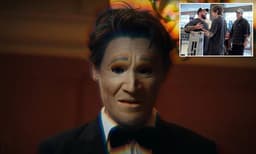
Historically, the song's use has varied. Earlier television appearances, like in The West Wing, used it with less thematic cohesion, sometimes merely as a reference for well-versed characters. The show House featured it humorously, leveraging the actor's English nationality. However, the most acclaimed television usage remains The Simpsons' "Cape Feare" episode, lauded for perfectly capturing the song's pomposity, the villain's pretension, and the character's villainy.
The current trend of antagonists singing 'For He is an Englishman' reflects a contemporary perception of the UK: isolated yet self-important. Despite this contemporary surge, the benchmark set by The Simpsons remains unsurpassed in its comedic and critical application of the song.
