Home / Arts and Entertainment / Action Films Trigger Popcorn Cravings: Here's Why
Action Films Trigger Popcorn Cravings: Here's Why
29 Mar
Summary
- Intense movies increase stress hormones, boosting cravings for quick energy foods.
- Viewers eat more popcorn during action films due to distracted eating.
- Cinema F&B sales surge by 10-15% during major movie releases.
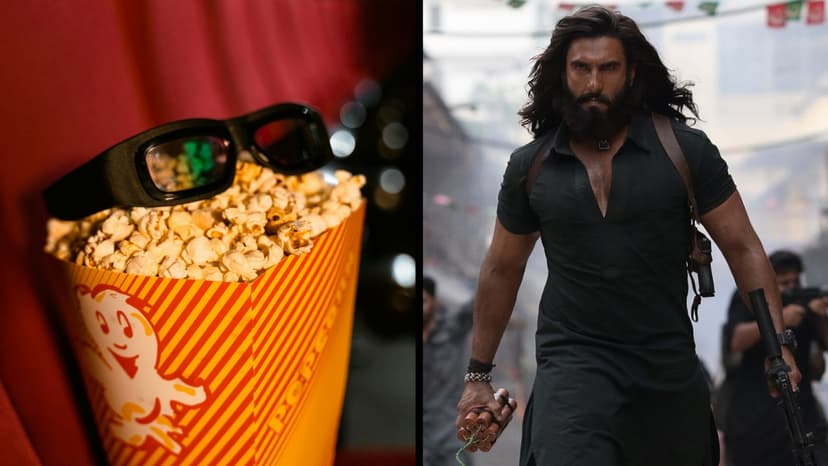
Major film releases often coincide with a significant increase in cinema food and beverage sales, with reports indicating spikes of 10-15 percent. This surge is particularly noticeable during high-intensity, action-packed movies, which demonstrably drive higher popcorn consumption. Experts attribute this phenomenon to the physiological effects of adrenaline and cortisol release, spurred by the stimulating nature of such films.
The immersive experience of modern cinema, coupled with fast-paced storytelling and sensory stimulation from loud sound and quick cuts, encourages "mindless consumption." Viewers become so engrossed that they lose track of their hunger and fullness cues, a psychological state known as distracted eating. This engagement makes it difficult to consciously control eating habits.
Over time, frequent exposure to such high-octane films can lead to habit formation. The brain begins to associate the cinema experience with snacking, irrespective of actual hunger. While occasional indulgence is fine, this conditioned response highlights how movie design and biology intertwine to influence our eating behaviours, turning snacking into a deeply ingrained habit.
Cinema is evolving beyond mere film viewing into a comprehensive entertainment experience where food plays a pivotal role. Observers note that audiences are increasingly drawn to the F&B offerings, sometimes as much as to the films themselves. This shift underscores the strategic importance of concessions in the overall cinema business model.


