Home / Arts and Entertainment / Whitby's Whale Bones: A Historic Dilemma
Whitby's Whale Bones: A Historic Dilemma
14 Mar
Summary
- Whitby's iconic Whale Bone Arch faces replacement due to deterioration.
- Discussions weigh ethical concerns of real bones versus bronze replicas.
- The arch symbolizes Whitby's historical whaling industry wealth.
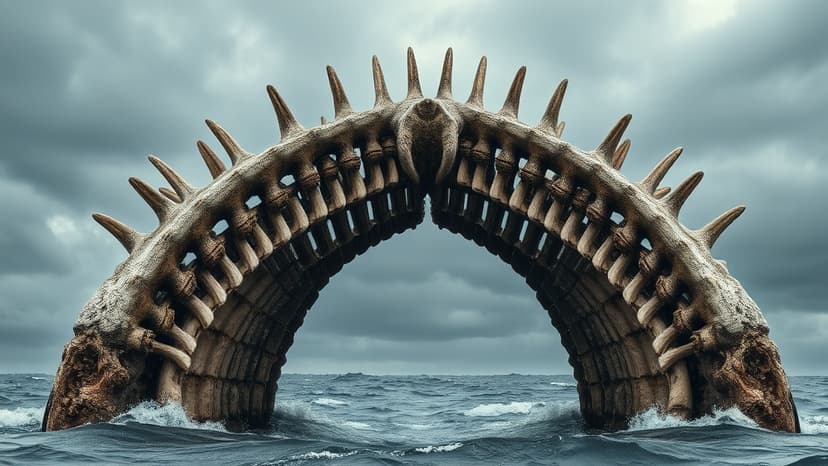
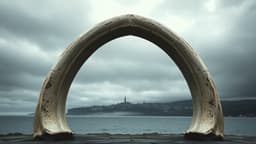
Whitby's iconic Whale Bone Arch, a recognizable symbol of the coastal town's maritime heritage, is facing a critical decision regarding its future. The clifftop structure, originally erected in 1964 and replaced in 2002 with bones from Alaska, is now deteriorating, prompting a debate on how to replace it. Ethical and logistical concerns surround the use of real whale bones, leading to discussions about creating a replica.
The town's prosperity was historically built on the whaling industry, dating back to the 18th century, a fact that evokes mixed feelings today. While some locals express pride in this history, others find the association with whaling ethically questionable. This divergence of opinion complicates the decision-making process for the landmark, which is also a significant draw for tourism.
Whitby Town Council has endorsed a proposal to replace the bones with a bronze replica, estimated to cost £60,000, offering an indefinite lifespan. This option, while the most expensive, is seen as fitting within the surroundings and consistent with other town landmarks. However, sourcing genuine whale bones has been deemed unfeasible, with all options reportedly exhausted.
The current structure is assessed to be unsafe and unlikely to remain in a safe condition beyond the next five years. A final decision on the arch's future rests with North Yorkshire Council, with hopes for a replacement by the summer at the latest.