Home / Arts and Entertainment / Taiwanese Film Explores Love, Shame, and Disability
Taiwanese Film Explores Love, Shame, and Disability
12 Oct
Summary
- Film chronicles a boy's evolving relationship with his uncle with a disability.
- Story reflects filmmaker Yen Hao-hsuan's personal experiences growing up.
- The movie aims to bridge societal gaps in understanding intellectual disability.
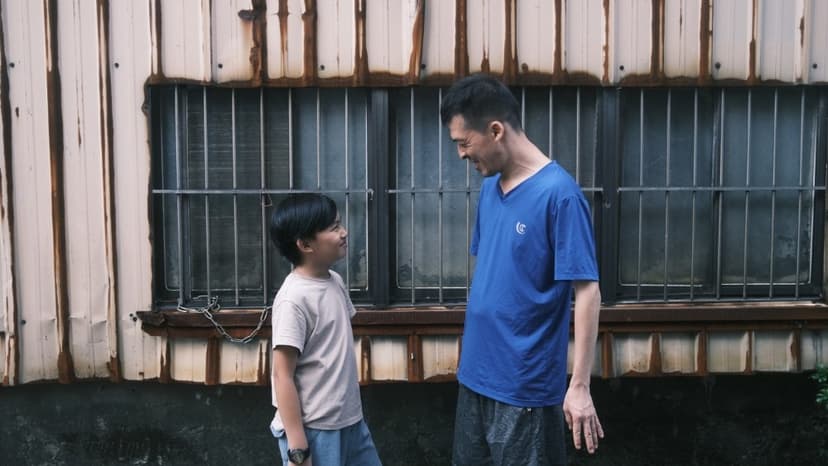
Yen Hao-hsuan's debut feature, "Uncle," is an autobiographical story set in rural Taiwan from 1997 to 2000. It follows a young boy named Wen and his inseparable uncle, A-Tsik, who has an intellectual disability. The film traces Wen's shift from deep affection to teenage embarrassment regarding his uncle.
The narrative also touches upon the family's attempts to manage A-Tsik's life and sexuality, revealing his lack of autonomy. As Taiwan navigated democratic changes and reconstruction after an earthquake, Wen envisioned a future beyond his hometown, eventually moving to the city for school while A-Tsik remained.
Director Yen Hao-hsuan lived with his uncle for 18 years, experiencing a similar arc of closeness turning to shame. He felt ready to tell the story after gaining sufficient distance to view his uncle as an individual rather than just a relative or cinematic subject.
The film explores societal values, questioning who gets left behind in the pursuit of progress. Yen aims to portray A-Tsik, and others like him, as equals, acknowledging their full humanity, including their desires and capacity to err.
Produced by Patrick Mao Huang and Sung Chin-hsuan, "Uncle" is currently in development and financing, supported by a TAICCA grant. The project is also part of the Tokyo Gap-Financing Market and is seeking co-production partners.


