Home / Arts and Entertainment / Trump Threatens 100% Tariff on Foreign-Made Films, Sparking Outrage
Trump Threatens 100% Tariff on Foreign-Made Films, Sparking Outrage
29 Sep, 2025
Summary
- Trump threatens 100% tariff on films made outside the U.S.
- Global film industry responds with confusion, indifference, and disdain
- Tariff could hurt independent and arthouse films more than major studio productions
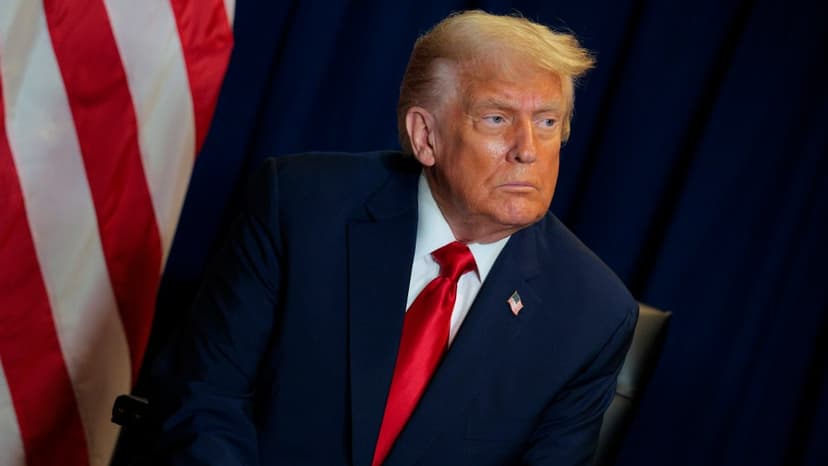
In a surprising move on September 29, 2025, former President Donald Trump took to social media to renew his threat of imposing a 100% tariff on films made outside the United States. This announcement, which came just a few months after his previous similar declaration, caught the global film industry off-guard and elicited a mix of concern, confusion, and disdain.
The White House had made no effort to contact studios, streamers, or the Motion Picture Association ahead of the announcement, leaving many industry executives uncertain about how to respond. While they acknowledged that Trump's words must be taken seriously, given his position, many expressed confusion about the logistics of implementing such a tariff on a "service" like filmmaking, rather than a physical good.
The potential impact of the tariff is also a source of concern, particularly for independent and arthouse films that often rely on international financing and co-productions. French producer Charles Gillibert warned that the tariff could "condemn the work to never being made," as the current cost of filming in the U.S. already makes it prohibitive for many non-commercial projects.
On the other hand, some industry figures, such as British producer Phil Hunt, dismissed Trump's latest declaration as "just hot air" and part of his "brand of Looney Tunes," noting that the previous threat had not materialized into any concrete policy. However, others, like entertainment lawyer Stephen Weizenecker, suggested that Trump might be working on something more formal this time around.
As the global film community grapples with the implications of Trump's tariff threat, the industry remains in a state of uncertainty, with many producers, distributors, and financiers unsure of how to proceed. The potential impact on the industry's increasingly global nature and the flow of talent and resources across borders is a significant concern, and the industry is closely watching to see if this latest announcement will translate into any tangible policy changes.


