
Home / Arts and Entertainment / How Vomit Landed Tom Cruise His Iconic Top Gun Role
How Vomit Landed Tom Cruise His Iconic Top Gun Role
2 May
Summary
- Cruise agreed to Top Gun after an intense jet flight left him sick.
- Actors appeared ill in cockpit scenes, leading to ground filming.
- The Navy saw a fivefold increase in recruitment after the film's release.
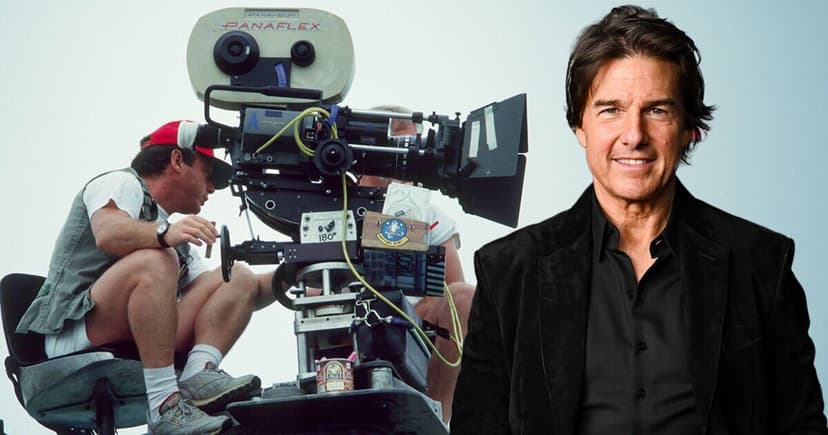
Tom Cruise's commitment to the film Top Gun was solidified after a harrowing experience flying in a Blue Angels jet. Producer Jerry Bruckheimer recalled convincing Cruise by having him endure intense G-forces and barrel rolls, which left the actor ill. This challenging flight ultimately secured Cruise's agreement to star in the movie.
Several actors faced difficulties with aerial filming due to motion sickness. Consequently, most cockpit scenes were shot on the ground because the actors appeared too unwell during aerial combat sequences. This creative decision ensured a more polished on-screen performance despite the actors' real-life struggles.
Originally intended as a US Navy officer, Maverick's love interest was changed to a civilian to comply with regulations against relationships with enlisted personnel. Additionally, the airmen's behavior in the script underwent modifications to align with Navy ideals.
While Tom Cruise earned his first million-dollar salary, the Navy pilots who performed the film's intricate aerial maneuvers received a modest $23 per day. This disparity highlights the different financial scales involved in the film's production.
Cruise maintained his on-screen rivalry with co-star Val Kilmer off-screen, often keeping his distance from the cast. He also required lifts in his boots to match co-star Kelly McGillis's height.
Filming aboard an aircraft carrier provided Cruise with a brief perspective on the crew's demanding nine-month deployments. He described carrier life as 'prison with the threat of drowning,' a sentiment the Navy chose not to feature in promotional materials.
Due to restrictions, only two genuine F-14 missile launches were filmed. The majority of missile sequences in the movie were created using miniature models.
Studio executives initially worried about the film's potentially homoerotic tone, particularly a scene featuring flyboys playing beach volleyball. Despite threats to fire director Tony Scott for the extended shooting of this scene, it became a memorable highlight.
Following test audience feedback requesting more romance, Cruise and McGillis reshot a sex scene five months after principal photography concluded. Subtle visual cues reveal the reshoot, including Cruise's longer hair and McGillis's altered appearance.
The film's success significantly impacted Navy recruitment, with applications increasing fivefold due to recruitment booths at cinemas.
Its soundtrack featured hit songs, boosting sales of aviator sunglasses and motorcycles. Cruise himself became an avid rider after the film.
Despite the film's immense success, Cruise initially resisted making a sequel, viewing the original as potentially glorifying combat. He expressed concern that making sequels would be irresponsible if they did not accurately portray war.
After 36 years, Cruise agreed to a sequel, Top Gun: Maverick, which became a blockbuster hit and is credited with aiding the cinema industry's recovery post-Covid. A third installment is now in development.
