Home / Arts and Entertainment / Sufjan Stevens' Sonic Shockwave: From Folk to Glitch
Sufjan Stevens' Sonic Shockwave: From Folk to Glitch
7 Oct
Summary
- Stevens abandoned his signature banjos for moody electronics and deep bass.
- The album explores the artist's personal state of mind, not historical details.
- It draws inspiration from the work of paranoid schizophrenic artist Royal Robertson.
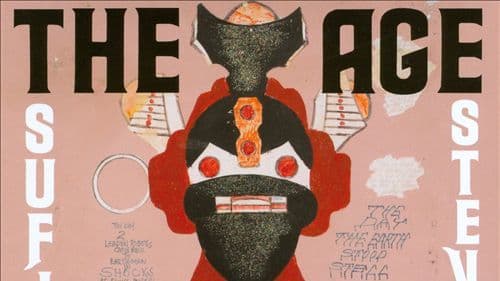
Sufjan Stevens' latest album, The Age of Adz, represents a radical departure, trading folk melodies for experimental electronics. Stevens shifts his focus inward, exploring his personal state of mind rather than meticulous historical or geographical details. The soundscape is now dominated by deep bass, percussive bursts, and synthesizers, a stark contrast to his previous banjo-driven arrangements.
The album finds inspiration in the disturbed yet compelling artwork of Louisiana artist Royal Robertson. A self-proclaimed prophet and paranoid schizophrenic, Robertson's apocalyptic, vengeful sci-fi posters, which appear on the album's cover, inform the record's thematic core. This choice signifies a move away from the more whimsical themes of past albums.
Despite the sonic overhaul, elements of Stevens' signature style persist. Intricate arrangements, soaring choirs, and a sense of expansive sound design remain. The 25-minute epic "Impossible Soul" exemplifies this, blending diverse elements like harps, Auto-Tuned vocals, and folk guitar into a complex suite. This juxtaposition of restless experimentation and established artistry makes The Age of Adz a compelling listen.


