
Home / Arts and Entertainment / Spielberg's AI Foresaw Our Digital Solitude
Spielberg's AI Foresaw Our Digital Solitude
28 Jun
Summary
- A.I. film parallels today's humanlike chatbot interactions.
- Critics found the film's ending too sentimental and unrealistic.
- Sam Altman discusses using ChatGPT for new parenthood advice.
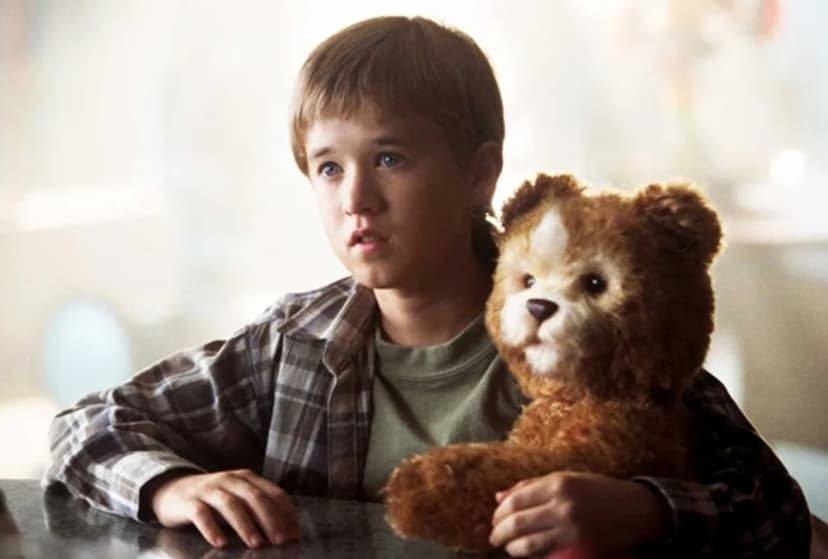
Released a quarter-century ago, Steven Spielberg's "A.I. Artificial Intelligence" explored themes that resonate powerfully today. Initially, the film struggled to connect with audiences, with critics like Mick LaSalle deeming its ending "precious, shallow, or patently ridiculous." The story of David, a robot boy programmed to love, seemed too distant for viewers.
However, current interactions with AI chatbots like ChatGPT mirror the film's premise. People engage with AI as if forming genuine connections, an act the article argues erodes interpersonal skills and fuels isolation. This reliance is exemplified by Sam Altman's disclosure on "The Tonight Show" about using ChatGPT for new parenthood advice.
Altman described ChatGPT's personalized responses, which reassured him about his baby's development and advised him to "just relax." This anthropomorphism, while engaging, is a key concern for AI skeptics. The article suggests that this deep engagement with technology may be depleting humanity's emotional reserves, making Spielberg's film a prescient documentary.
Spielberg's work, especially "A.I.," masterfully explores empathy. The film questions the line between affection for sycophantic technology and the capacity to care for beings like David, who can love in the physical world. It prompts reflection on whether empathy can be practiced only when convenient, contrasting it with the unconditional nature of parenting.
