

Home / Arts and Entertainment / Space Dance: Dancers Explore Weightlessness
Space Dance: Dancers Explore Weightlessness
30 Mar
Summary
- Dancers are exploring movement in weightless environments.
- Float tanks simulate microgravity for physical exploration.
- Artists debate ethical implications of space dance exploration.
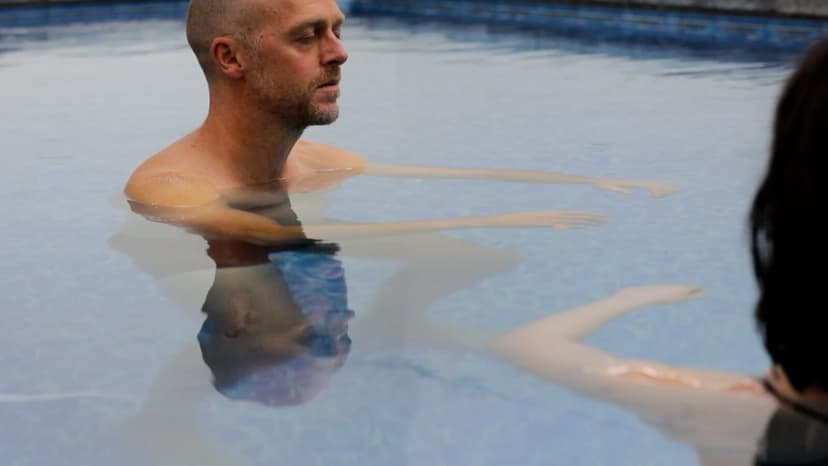
Dancers are increasingly engaging with the concept of movement in weightless environments, using tools like float tanks to approximate the sensation of space. This exploration delves into philosophical and logistical puzzles of human physical culture beyond Earth. Scientists and engineers are considering how dancers' embodied knowledge might offer solutions for future space exploration.
The Conference for Research on Choreographic Interfaces has hosted "space camps" bringing together artists and scientists to study movement in altered gravity. Participants have experienced float tanks and workshops in pools, with some dancers from companies like Streb Extreme Action incorporating trampolines and trapezes.
While the idea of space dance might seem novel, astronauts themselves exhibit unique choreography in microgravity, from mundane tasks to planned dances. Professional choreographers like Kitsou Dubois have conducted research on parabolic flights, developing movement concepts for weightless conditions.
However, ethical considerations are prominent, with some artists questioning the value of space endeavors when Earth faces significant challenges. Debates have emerged regarding the cost and privatization of space travel, leading some, like choreographer Laila J. Franklin, to express reservations about participating in space missions.
Despite these debates, the exploration of weightlessness is influencing earthbound choreography, fostering new perspectives on movement and perception. The Choreographic Interfaces team aims to foster stronger collaborations between dancers and scientists, envisioning dancers as integral partners in designing extraterrestrial habitats and training programs.
