Home / Arts and Entertainment / Sophie B. Hawkins: Music, Identity, and Freedom
Sophie B. Hawkins: Music, Identity, and Freedom
30 May
Summary
- Sophie B. Hawkins defined herself as omnisexual in 1992.
- Her 1992 interview with The New York Times questioned her sexuality.
- Hawkins released her seventh studio album, "Free Myself," on March 24.
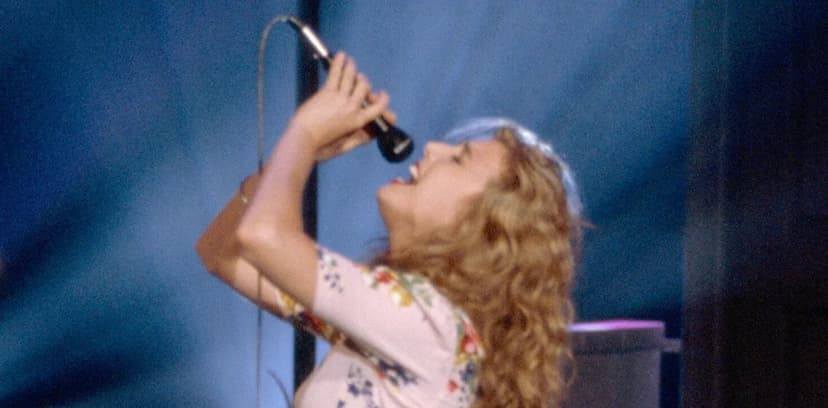
Grammy-nominated artist Sophie B. Hawkins is releasing her seventh studio album, "Free Myself," on March 24, marking a new chapter. This release follows a career defined by artistic integrity and challenging societal expectations.
In a 1992 interview with The New York Times, Hawkins was asked about her sexuality, prompted by lyrics from her hit song "**** I Wish I Was Your Lover." She responded by defining herself as "omnisexual," asserting that her creative spirit, not gender, defined her sexuality.
This declaration occurred at a time when Sony Music feared it would harm her career. Hawkins has since become a vocal supporter of LGBTQ rights, often feeling ahead of her time. She notes how current artists like Brandi Carlile and Sam Smith now openly represent diverse identities, a contrast to the 1990s.
Hawkins's career began with a unique path, from developing her musical skills in New York to releasing multiple albums independently. She emphasizes the importance of authentic self-expression, inspired by figures like Virginia Woolf and David Bowie.
The artist highlights the differences in fan interaction between the pre-internet era and today, valuing the direct connections made in the 1990s. She reflects on the challenges of early self-identification and the courage it takes to express one's truth, drawing parallels to contemporary artists like Maggie Rogers.
Her latest album, "Free Myself," encapsulates this lifelong pursuit of freedom and self-acceptance. Hawkins's enduring commitment to artistic authenticity and activism continues to resonate with fans, solidifying her status as a pioneering artist.


