Home / Arts and Entertainment / Will Smith Braves Antarctica's Extreme Cold
Will Smith Braves Antarctica's Extreme Cold
16 Jan
Summary
- Filming in Antarctica presented extreme challenges with 70mph winds and -52°C temperatures.
- Advanced ARRI cameras were used, marking a rare cinematic achievement in the harsh environment.
- The expedition discovered a new giant anaconda species and a climate-change-related microbe.

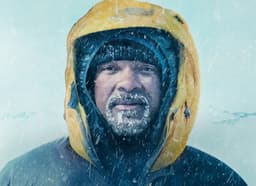
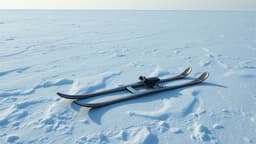
The National Geographic series "Pole to Pole with Will Smith" chronicles an ambitious expedition from the South Pole to the North Pole, showcasing extreme environmental challenges. Filming in Antarctica, one of Earth's harshest deserts, involved navigating treacherous conditions, including winds exceeding 70mph and temperatures as low as -52 degrees Celsius. Polar athlete Richard Parks, tasked with Smith's safety, highlighted the logistical nightmare and the difficulty technology faces in such unforgiving terrain.
This groundbreaking series achieved rare cinematic feats, employing high-end ARRI cameras like the ALEXA Mini LF to immerse audiences in the Antarctic landscape. Parks shared insights into maintaining morale, even using music, and the technical hurdles of bringing gear, power sources, and charging equipment into the extreme cold. He detailed how temperatures affect materials, making duct tape and durable cables essential, alongside managing battery life and avoiding power-draining technologies like Bluetooth.
Beyond the personal journey, "Pole to Pole" documented significant scientific discoveries, including a new species of giant anaconda and a microbe offering insights into climate change. Parks hopes the series fosters broader conversations about our planet's interconnectedness, from the Amazon to Antarctica, emphasizing a sense of shared environmental challenges and human hope in a seemingly divided world. The first two episodes are now available on streaming platforms.