Home / Arts and Entertainment / Žižek: Cinema Reflects Our Hidden Desires
Žižek: Cinema Reflects Our Hidden Desires
12 Sep
Summary
- Philosopher Žižek uses cinema to explore complex ideas.
- He questions the mass appeal of blockbusters like Spider-Man.
- New documentary filters Žižek's thought through film.
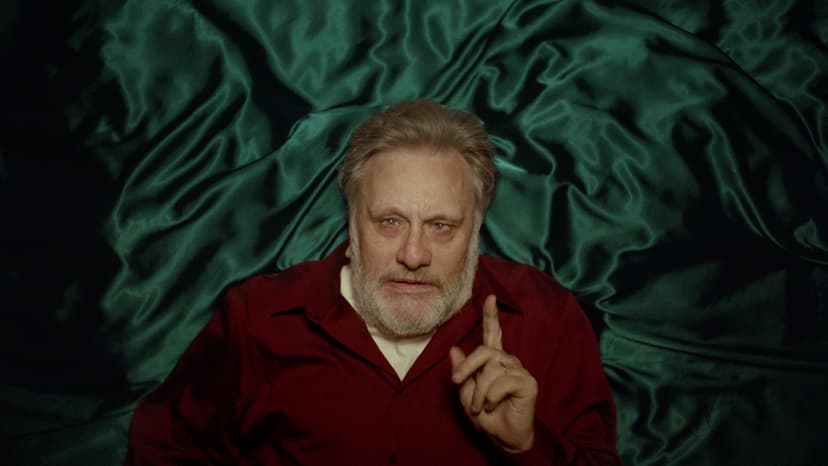
Slovenian philosopher Slavoj Žižek, a celebrated academic figure, is featured in Sophie Fiennes' third documentary, 'The Pervert's Guide to Utopias.' This film filters Žižek's intricate thoughts on philosophy and society through the lens of cinema, following previous works like 'The Pervert's Guide to Cinema' and 'The Pervert's Guide to Ideology.'
Žižek questions the immense popularity of mainstream blockbusters such as 'Spider-Man,' finding them less compelling than films like 'The Invite' and 'The Drama,' which he believes highlight the perils of extreme openness. He also advocates for a rediscovery of shame and moral restraint in an increasingly uninhibited era.
In 'The Pervert's Guide to Utopias,' Žižek delves into the concept of utopia within modern capitalist societies, which he argues often justify themselves through competition and market ideologies, making true utopian visions difficult to conceive. Fiennes visualizes these abstract ideas by incorporating Žižek into recreated scenes from various films and TV series.
The documentary utilizes cinematic examples, from horror films depicting societal divides to scenes symbolizing capitalism's casualties, to illustrate Žižek's often paradoxical interpretations. He suggests that cinema acts as a crucial tool for understanding humanity, providing a symbolic space to process the world's potential end rather than seeking escapist solutions like billionaire space travel.


