Home / Arts and Entertainment / Sitcoms Improved After Beloved Character Deaths
Sitcoms Improved After Beloved Character Deaths
20 Nov
Summary
- Showrunners navigate character loss using various methods.
- Some sitcom deaths surprisingly led to ratings boosts.
- Character departures can impact shows positively.
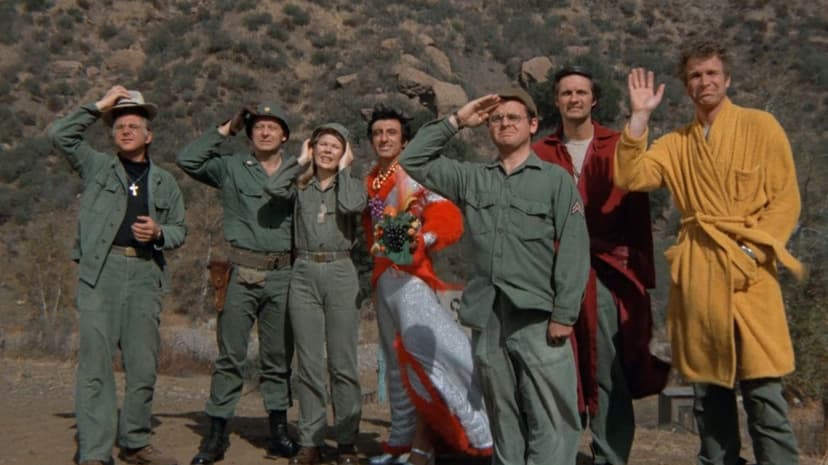
Navigating the departure of a central actor mid-series requires creative strategies. Showrunners have employed methods ranging from recasting roles, as seen with Darrin on "Bewitched," to introducing new characters to fill the void, a tactic used when Ashton Kutcher replaced Charlie Sheen on "Two and a Half Men." In other instances, like Steve Carell's exit from "The Office," producers chose to focus on the remaining ensemble.
The handling of character departures also varies significantly. While some characters exit gracefully, others are killed off, a sensitive subject particularly in sitcoms. However, when executed thoughtfully, death can revitalize a show. "The Hogan Family," originally "Valerie," experienced its highest ratings after Valerie Harper's character was killed off and Sandy Duncan joined as her sister-in-law.
Nicholas Colasanto's death as Coach on "Cheers" led to the introduction of Woody Harrelson as Woody Boyd. This addition injected new energy, significantly altering the show's dynamic and contributing to its enduring success over its final eight seasons. "Parks and Recreation" saw its quality improve in seasons following the memorable, albeit comical, death of Li'l Sebastian, with the town's memorial service becoming a running gag.
The impact of character deaths is also evident in "South Park," where Chef's demise, following Isaac Hayes's departure, marked a shift towards more pointed satire. Similarly, "M*A*S*H" utilized the shocking death of Colonel Henry Blake to make a powerful statement about the casualties of war, ultimately leading to the introduction of Colonel Sherman Potter and a more balanced blend of comedy and drama.


