


Home / Arts and Entertainment / Royal Wardrobes: The Secret Monarchy Weapon
Royal Wardrobes: The Secret Monarchy Weapon
12 Apr
Summary
- Royal fashion shaped public perception and solidified monarchical status.
- Edward VIII's clothing choices signaled his rejection of kingship.
- Hidden workers like seamstresses and milliners were crucial to royal style.
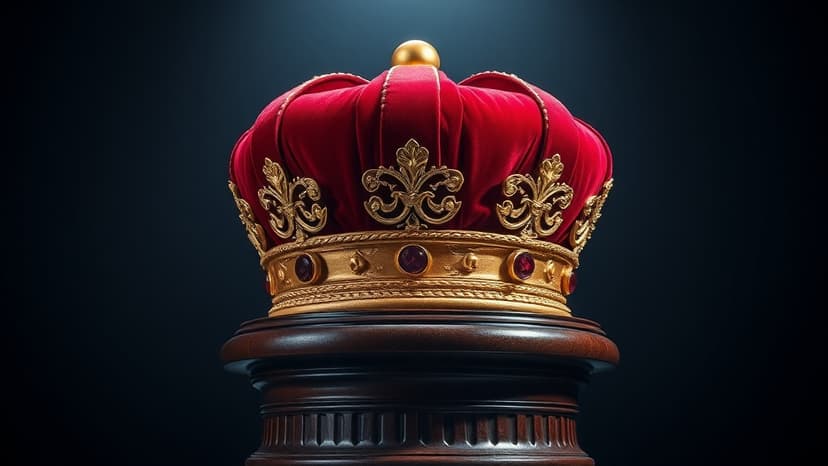
Fashion has historically served as a potent, often underestimated, weapon in the British monarchy's arsenal, influencing public perception and solidifying royal status.
Justine Picardie's work highlights how clothing choices communicated deliberate messages. Edward VIII's deliberate sartorial rebellion, including removing his tie and rolling his sleeves, symbolized his desire to shed the constraints of kingship. His avant-garde style, a stark contrast to the more traditional choices of the Queen Mother and Queen Elizabeth II, signaled his profound disinterest in the throne.
Conversely, the 'soft' diplomacy of fashion was masterfully employed by the House of Windsor to reinforce its image as quintessentially British. Even seemingly simple choices, like the Queen Mother's floral dresses during the Blitz, offered reassurance. This demonstrates that fashion and social standing are intrinsically linked.
Fashion historian Kate Strasdin's work, "Dressing the Queen," shifts focus to the often-anonymous individuals responsible for creating and maintaining royal wardrobes. This includes the crucial contributions of laundry women, corset makers, and milliners, revealing the significant social history embedded within royal fashion.
These narratives underscore how both overt style and the meticulous craftsmanship behind the scenes have been integral to the monarchy's enduring presence and its ability to navigate crises.
