Home / Arts and Entertainment / Rome's Colorful Past: Fashion as Power
Rome's Colorful Past: Fashion as Power
2 Oct
Summary
- Roman fashion used vibrant dyes and exotic fabrics to display status.
- Imperial expansion supplied Rome with materials like silk and pearls.
- Wigs and perfumes also signaled wealth and borrowed cosmopolitan styles.
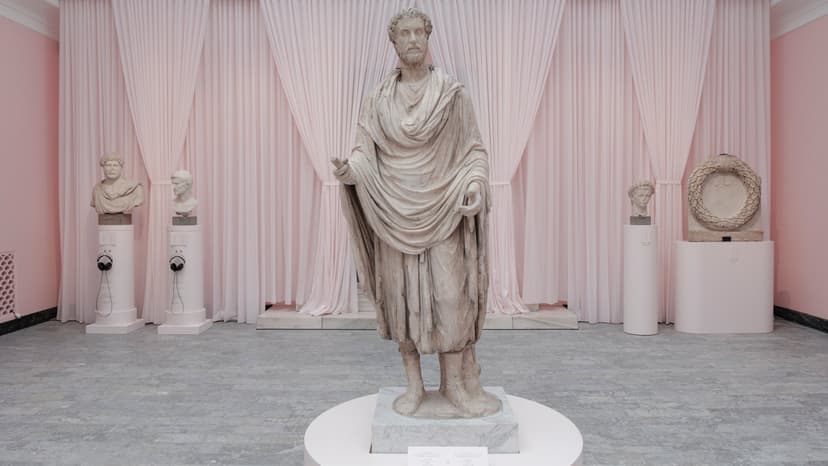
An exhibition at Copenhagen's Ny Carlsberg Glyptotek museum reveals that ancient Rome favored a loud aesthetic, using fashion to express power and status. Sculptures from the era are on display to examine how imperial expansion provided the raw materials and styles Romans used to assert themselves. Through a thriving trade network, materials like silk, pearls, and dyes flowed in from across the empire, helping to demarcate social hierarchies. The more exotic the outfit, the more clout its wearer carried.
Originally painted in vibrant pigments, many statues now show little trace of color. The Glyptotek utilizes paint residue analysis to offer digital reconstructions of these hues. Purple, sourced from Murex sea snails, was the most prestigious dye, traditionally reserved for the elite. Less affluent Romans used plant-based imitations, akin to modern fake handbags. Other valuable dyes, such as kermes and saffron, signified wealth and were used for those not permitted to wear purple.
Fashion trends, including hairstyles and the use of real-hair wigs, also reflected Roman conquests and borrowed cosmopolitan cachet. Elite women even adopted hairstyles inspired by or made from the hair of conquered peoples. Similarly, perfume styles tracked the empire's expansion, with scents named after regions like Egypt and Assyria, and statues themselves were anointed with perfumes.


