Home / Arts and Entertainment / Rod Serling's Voice Echoes in New Doc
Rod Serling's Voice Echoes in New Doc
17 Mar
Summary
- Documentary focuses on Serling's prophetic vision, not personal life.
- Extensive use of Serling's own recordings for narration.
- Reenactments criticized for jarring visual style and lack of depth.

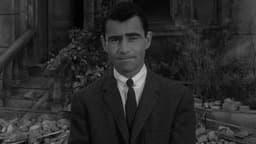
Jonah Tulis' new 98-minute documentary, "Serling," delves into the profound insights of Rod Serling, the visionary behind "The Twilight Zone." The film persuasively argues that Serling was a true prophet of television, possessing a unique ability to refract the world through his work.
The documentary prominently features Serling's own voice, derived from numerous dictaphone recordings and television interviews. This approach allows Serling's perspective to guide the narrative, largely eschewing external commentators. His wife Carol and daughters provide personal context, while "Twilight Zone" writers and producers offer professional insights.
However, the film's aesthetic choices, particularly its frequent use of black-and-white reenactments, are noted as a flaw. These newly shot sequences, while visually stylish, are criticized for failing to match the tonal richness of 1950s and 1960s television, creating jarring transitions.
The documentary excels in capturing Serling's passionate spirit, highlighting his engagement with civil rights and his opposition to the Vietnam War, themes that deeply influenced his writing. Episodes like "The Monsters Are Due on Maple Street" are cited as examples of his aspirations realized.
"Serling" also examines the show's demise, suggesting executive ties to politicians influenced by its liberal undertones. Despite its limitations in fully humanizing its subject, the film underscores Serling's enduring relevance as a visionary whose thoughts on media remain remarkably prescient.