Home / Arts and Entertainment / Resident Evil: 30 Years of Fear and Franchise Dominance
Resident Evil: 30 Years of Fear and Franchise Dominance
20 Mar
Summary
- Resident Evil has sold over 180 million copies globally.
- The series draws inspiration from 'Sweet Home,' 'Alien,' and 'Texas Chainsaw Massacre.'
- Its success stems from sustained vulnerability and genre-bending horror.
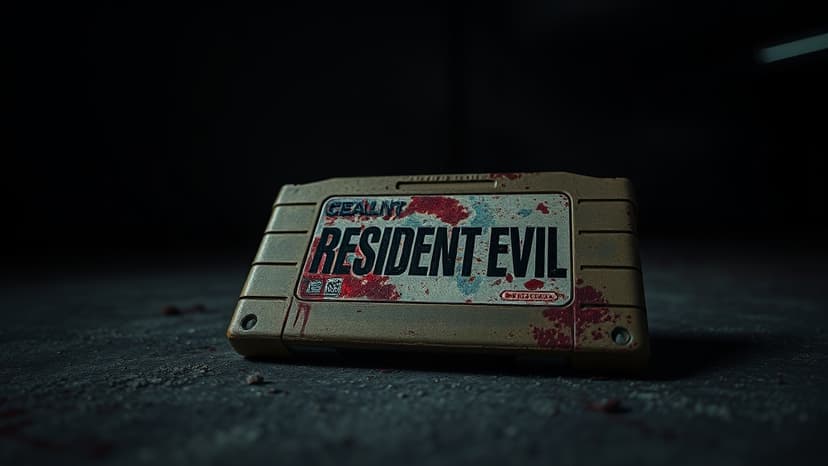
Celebrating its 30th anniversary, the Resident Evil franchise has become a titan in the video game industry, selling over 180 million copies globally. Initially a surprising departure from the arcade-focused trends of the 1990s, Resident Evil emerged from Capcom's 1989 Famicom title 'Sweet Home.'
This earlier game, focused on a haunted mansion, deeply influenced producer Shinji Mikami. He spearheaded the creation of the original Resident Evil, incorporating elements from George A. Romero's films and 'Alone in the Dark.' The game's unique visual style, combining 3D characters with pre-rendered backgrounds and fixed camera angles, masterfully amplified claustrophobia.
Resident Evil's longevity is a testament to its core design philosophy of player vulnerability. Despite evolving perspectives from fixed cameras to over-the-shoulder and first-person, the series consistently rations essential resources like ammo and health items. This approach positions Resident Evil closer to classic horror narratives than power fantasies.
The franchise expertly references cinematic horror, with 'Alien' and 'The Texas Chainsaw Massacre' being significant inspirations for installments like Resident Evil 2 and Resident Evil 7, respectively. These nods enrich the player experience and add layers of recognition.
Resident Evil also fluidly shifts between horror subgenres, encompassing gothic, sci-fi, and folk horror. This versatility allows it to mirror a broad range of societal anxieties, from viral pandemics and corrupt corporations to fundamental human fears of the unknown. The series' ability to mutate and reinvent itself mirrors its enduring appeal.
Furthermore, the inclusion of strong, relatable returning characters like Jill Valentine and Leon Kennedy, alongside charismatic antagonists, grounds the series. This narrative consistency, coupled with accessible gameplay and frequent sales, makes Resident Evil appealing to both long-time fans and new players globally.
The series carefully paces its gameplay, balancing exploration, puzzle-solving, and combat. Memorable safe rooms and opportunities to upgrade weapons provide respite, while the constant uncertainty of what lies beyond each corner keeps players on edge. Resident Evil's enduring success lies in its profound understanding of what truly scares us.