Home / Arts and Entertainment / Renoir's Portrait Hides Family's Dark Secrets
Renoir's Portrait Hides Family's Dark Secrets
25 Jul
Summary
- Renoir's painting of the Cahen d'Anvers girls hid family secrets.
- The family's world fractured along lines of faith and politics.
- Two daughters converted, married outside their Jewish heritage.
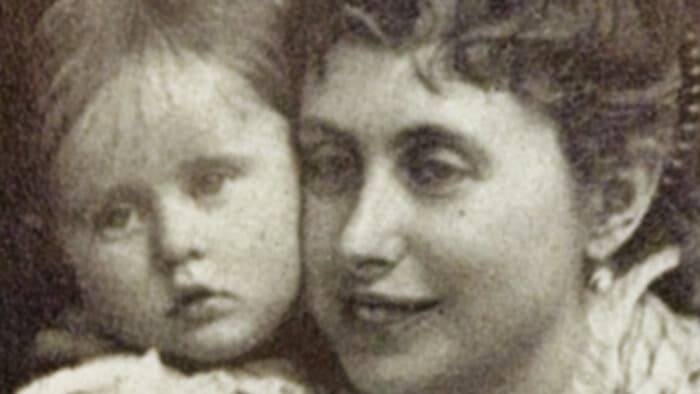
Pierre-Auguste Renoir's 1881 portrait, "Pink and Blue, the Misses Cahen d'Anvers," depicted a seemingly sweet scene of two young sisters. However, Catherine Ostler's "The Renoir Girls" reveals this painting was a shimmering surface over a history of family secrets and societal betrayal.
The Cahen d'Anvers family, wealthy and influential, navigated the turbulent Belle Époque. Their world was divided by rising class tensions and the divisive Dreyfus Affair, polarizing French society.
Despite their privileged background, the daughters' lives took dramatic turns. Elisabeth converted to Catholicism and married a royalist, while Irène left her husband for a woman. Alice, however, courageously rescued her grandchildren during wartime.
The sisters' choices ultimately led to vastly different fates. While Alice survived into old age, Elisabeth and Irène's daughter, Béatrice, met tragic ends, deported to Auschwitz during World War II.
Ostler's meticulously researched book explores the impact of antisemitism and the choices individuals make under immense societal pressure, offering a poignant look at a family caught between tradition and turbulent times.


