Home / Arts and Entertainment / Real Sherlock Holmes: A Surgeon's Secret Life
Real Sherlock Holmes: A Surgeon's Secret Life
23 Oct
Summary
- Joseph Bell inspired Arthur Conan Doyle's Sherlock Holmes character.
- Bell used keen observation for medical diagnosis and police work.
- Book explores 19th-century society, forensic medicine, and justice.
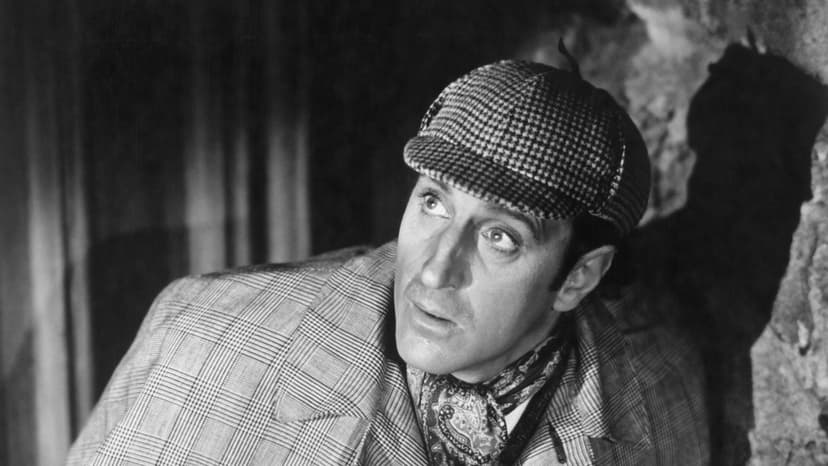
Arthur Conan Doyle found inspiration for his iconic detective, Sherlock Holmes, in his University of Edinburgh professor, Joseph Bell. Bell, a physician and surgeon, was renowned for his acute observational skills, which he applied to both medical diagnoses and assisting police with criminal investigations.
Lindsey Fitzharris's "Sleuth-Hound: The Case of the Real Sherlock Holmes" explores Bell's methods, where he identified individuals by minute details like fish scales on clothing or pinpricks on fingers. The book also charts the development of forensic medicine as a scientific discipline.
Beyond Bell's deductive prowess, the narrative examines the social realities of 19th-century Britain. It highlights the stark class divisions and the often-unjust legal outcomes, exemplified by the trial of Jane Kelly, whose husband beat her to death but avoided execution.
Fitzharris, an expert in the history of science and medicine, draws parallels to her previous work on Joseph Lister. The book illustrates how Bell and his associate, Henry Duncan Littlejohn, championed evidence-based practices, influencing both medicine and criminal justice during their era.


