
Home / Arts and Entertainment / Raja Shivaji: A New Era for Marathi Films?
Raja Shivaji: A New Era for Marathi Films?
7 May
Summary
- Raja Shivaji crossed Rs. 50 crore faster than any Marathi film.
- The film blends cultural pride with grand cinematic scale.
- Riteish Deshmukh is architecting Marathi cinema's commercial future.
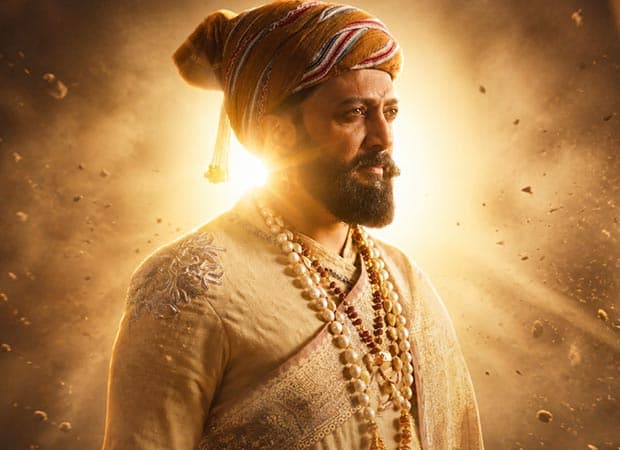
The Marathi film Raja Shivaji is redefining the commercial landscape of regional Indian cinema, achieving around Rs. 53.3 crore by its sixth day and becoming the fastest film in its language to cross the Rs. 50 crore threshold. This accomplishment signifies a potential trade event, questioning whether Marathi cinema can now be produced and consumed on a national scale. For decades, Marathi films were admired for their content and rootedness but often operated within an invisible commercial boundary, with only rare exceptions like Sairat breaking through.
Raja Shivaji's success lies in its grand scale and ambition, treating subjects like Chhatrapati Shivaji Maharaj with the visual grandeur and cinematic treatment audiences expect from major productions. Riteish Deshmukh, through films like Lai Bhaari and Ved, has strategically expanded Marathi cinema's commercial imagination. He understands the importance of cultural sentiment alongside market dynamics, repositioning Marathi cinema not just as a cultural space but as a significant commercial force.
The film's achievement is seen as a blueprint for future regional productions, demonstrating that local roots, when presented with conviction and scale, can drive mass appeal. This approach mirrors the success of other Indian films like Kantara and RRR, which leveraged their unique cultural identities to achieve pan-India recognition. Raja Shivaji's impact extends beyond box office numbers, influencing perceptions and encouraging producers and exhibitors to view Marathi cinema as a serious commercial contender.
Veteran trade analyst Taran Adarsh praised the film, highlighting the universal appeal of its subject matter and its grand scale, suitable for a Pan-India and global audience. He noted that films like Raja Shivaji and Chhaava are being mounted on a large scale, challenging the notion that regional films are limited to their local markets. Deshmukh's contribution is significant, treating Marathi cinema with the same seriousness as Bollywood's biggest spectacles and proving that cultural respect and commercial ambition are not mutually exclusive.
