Home / Arts and Entertainment / Chef Gilmore's Quay Closes After 25 Years
Chef Gilmore's Quay Closes After 25 Years
6 Feb
Summary
- Quay restaurant will close on February 14 after 25 years.
- Declining international diners and rising costs led to closure.
- Peter Gilmore trained hundreds of chefs during his tenure.
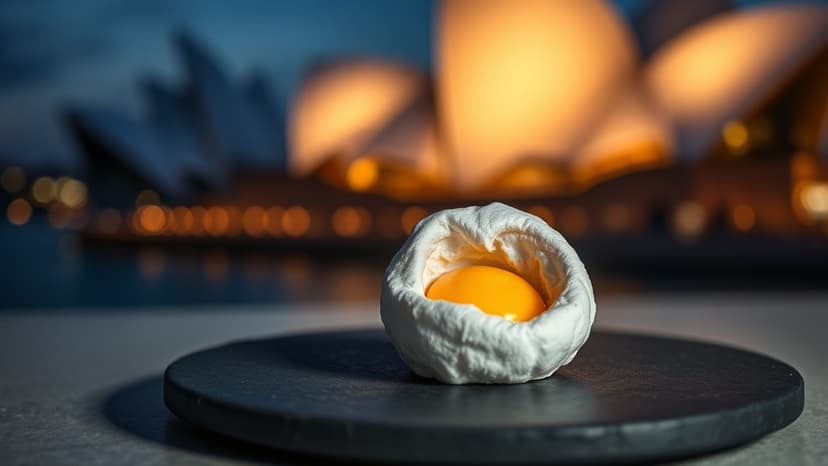
After 25 years, the renowned Sydney restaurant Quay, under the direction of Executive Chef Peter Gilmore, is set to close on February 14. Gilmore has led the restaurant since 2001, overseeing a significant renovation in 2018 and earning numerous awards. The closure is attributed to a combination of factors including a decline in international visitors, increased operational costs, and the current economic climate, which has resulted in the restaurant breaking even for the past three years.
Gilmore's culinary journey began in suburban Sydney, inspired by his mother's diverse cooking. He honed his skills through an apprenticeship at Manor House and a formative period in the UK before returning to Australia. At Quay, he became known for modern Australian dishes, such as his famous "snow egg," which gained widespread recognition through a popular reality TV show. He also championed the farmer-to-chef model, collaborating with producers for unique ingredients.
Before its closure, Quay experienced a surge in bookings, with nearly 1,000 names on its waitlist, highlighting its enduring popularity. Gilmore will transition to Bennelong, another Fink restaurant, until June, after which he plans to permanently relocate to Tasmania. He is also considering future culinary ventures in Tasmania, indicating his career is far from over despite this significant closing.
The discussion around Quay's closure also touched upon the absence of the Michelin Guide in Australia, with Gilmore suggesting that governmental support for the culinary sector could be strengthened. He advocates for maintaining Australia's unique culinary identity, characterized by access to high-quality produce and creative freedom for chefs, rather than a homogenization of the dining landscape.