Home / Arts and Entertainment / Project Hail Mary: VFX Secrets Revealed!
Project Hail Mary: VFX Secrets Revealed!
18 Oct
Summary
- Zero gravity was a major challenge, solved with wire rigs and visual trickery.
- Realistic space skies were achieved using astronomical data, not colorful nebulae.
- Rocky the alien was a blend of practical puppetry and CGI.
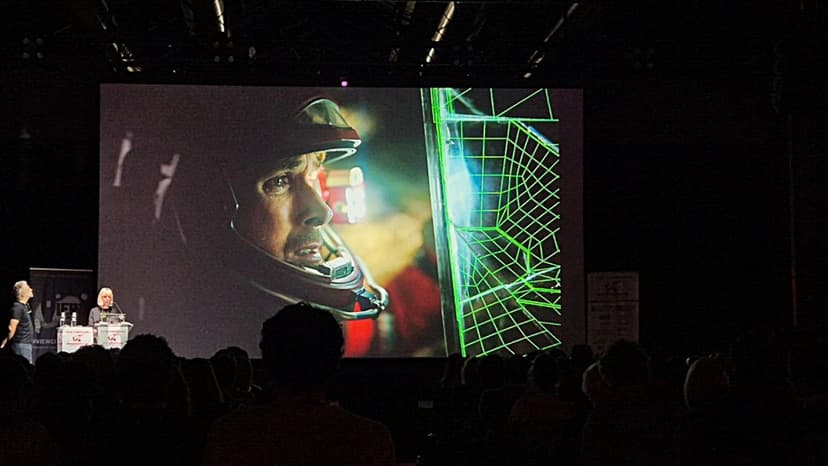
Visual effects artists for "Project Hail Mary" tackled the daunting challenge of simulating zero gravity, employing wire rigs and meticulous adjustments to create a believable floating sensation.
The film's space environments were grounded in reality, utilizing astronomical data from missions like the European Space Agency's Gaia to depict the skies accurately rather than with fanciful nebulae.
Rocky, the alien co-star, presented a unique hurdle, with the team expertly blending practical puppetry and animatronics with sophisticated CGI to ensure seamless integration alongside Ryan Gosling.
Artists also experimented with camera techniques, including infrared-modified cameras and virtual cinematography, to achieve unique imagery and allow for flexible camera work during post-production.


