

Home / Arts and Entertainment / Peaky Blinders: Truth vs. Fiction
Peaky Blinders: Truth vs. Fiction
10 Apr
Summary
- Real Peaky Blinders were street gangs, not a single family.
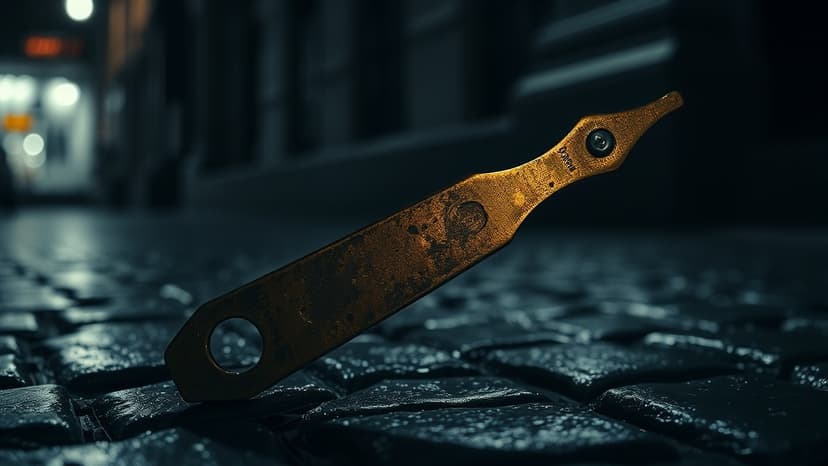
- Razor blades in caps are a myth, not historical fact.
- Fictional Shelbys interact with real historical figures.
Peaky Blinders, with a new film and upcoming series, sparks interest in its historical accuracy. The show is a blend of truth and fiction, drawing from real people, places, and tensions in Birmingham. The original series focused on Tommy Shelby's rise in post-war Birmingham, expanding to international dealings and political influence.
The real Peaky Blinders were not a unified family but loose street gangs in late 19th and early 20th-century Birmingham. These groups, composed of young men from impoverished areas, engaged in localized violence and theft, lacking the structured, hierarchical organization depicted in the series.
A notable historical detail aligns with the show: the real gangs were known for their distinctive style, including peaked caps worn at an angle. However, the popular image of razor blades sewn into these caps is a myth, unsupported by historical evidence.
The Shelby family and their detailed exploits are fictional creations. However, the series places them alongside real historical figures such as crime bosses Billy Kimber, Alfie Solomons, and Darby Sabini, as well as political figures like Oswald Mosley and Winston Churchill.
Significant departures from history include the scale of operations. The series portrays a vast criminal enterprise, whereas the actual Peaky Blinders remained fragmented and local. While incorporating real historical elements, the show's narrative, particularly the Shelby family's sustained rise and their interactions, is a constructed drama.
