Home / Arts and Entertainment / Filmmaker's Oscar Puzzle: Politics vs. Art
Filmmaker's Oscar Puzzle: Politics vs. Art
26 Feb
Summary
- Paul Thomas Anderson faces Oscar challenges despite acclaimed film.
- Film's timely themes of immigration impact awards reception.
- Awards campaigns are inherently political, not just artistic endeavors.
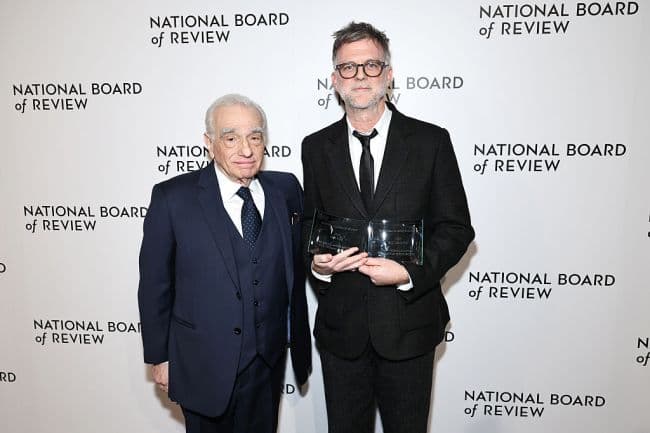
Paul Thomas Anderson's film "One Battle After Another" is generating significant Oscar buzz, yet the director's disavowal of political engagement may hinder its chances. Anderson has stated, "I'm not a politician... I'm a filmmaker," a sentiment that seems to align with his zero-for-eleven Oscar record.
Despite the film's narrative focus on a father rescuing his daughter, it prominently features themes of immigration and oppression. These elements resonate with current events, such as the recent killing of an intensive care nurse by U.S. Border Patrol, which was on the audience's mind during a recent screening.
Anderson prefers controlled Q&A sessions with awards voters over broader press engagements. This strategy has previously worked, as the film's acclaim and Anderson's lack of an Oscar have fueled its campaign. However, current events, including ICE raids and a mirroring of the film's depicted terror in Baktan Cross, have amplified questions about the film's political urgency.
The Best Actor race saw Robert Aramayo win at the BAFTAs over Timothée Chalamet. Chalamet's campaign has been more overt, highlighting his past work. Sean Penn won Best Supporting Actor at the BAFTAs, possibly due to his perceived "owed" status, contrasting with American assumptions based on his previous wins.
Local BAFTA wins for "I Swear" and "Sinners" star Wunmi Mosaku highlight regional considerations. Teyana Taylor is a potential Best Supporting Actress winner for "One Battle After Another," but Sean Penn's BAFTA win could signal a turning point for his Oscar prospects, especially with other contenders not nominated in his category.