

Home / Arts and Entertainment / Parks & Rec: From Flop to Streaming Icon
Parks & Rec: From Flop to Streaming Icon
15 Apr
Summary
- Show creators rejected 'The Office' spinoff for original idea.
- Premiered to tepid reviews but ran for seven seasons.
- Became a beloved streaming classic years after airing.
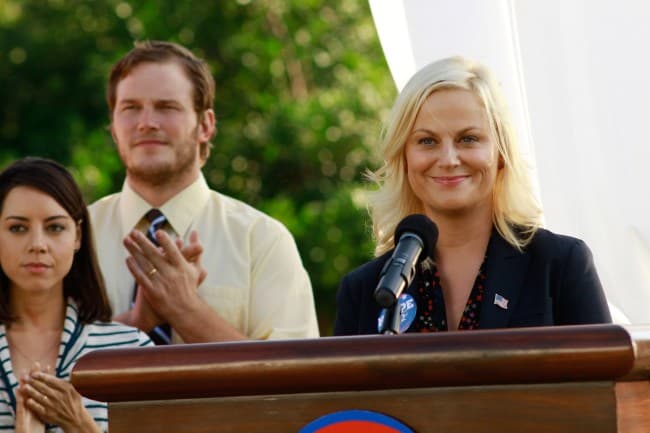
Initially considered a potential spinoff from 'The Office,' 'Parks and Recreation' took a different path. Creators Greg Daniels and Michael Schur chose an original concept focusing on a small-town bureaucrat, a decision that eschewed a prime Super Bowl launch slot in April 2009. The series, starring Amy Poehler as deputy parks director Leslie Knope in Pawnee, Indiana, premiered to mixed reviews.
Despite facing near cancellation almost every year, 'Parks and Recreation' ran for seven seasons. Its initial syndication performance was modest, but the show found a significant audience on streaming services. This resurgence is attributed to its hopeful tone, which gained popularity as national moods darkened.
The series distinguished itself from its predecessor by early on dropping cringe humor for a focus on competent public servants. It championed the coexistence of work, friendships, and love, developing a distinct optimistic philosophy. Its emphasis on community and civic engagement set it apart from more cynical contemporaries.
Behind the scenes, the show navigated challenges, including leaked pilot testing that labeled it a 'carbon copy' of 'The Office.' Early episodes struggled with pacing and character development, with Leslie Knope initially perceived as too similar to Michael Scott. However, mid-season adjustments, particularly in the first season's finale, 'Rock Show,' and the introduction of characters like Ben Wyatt (Adam Scott) and Chris Traeger (Rob Lowe) in season two, significantly improved the series.
'Parks and Recreation' concluded its run in 2015 with a finale that depicted the characters' futures. Though it consistently hovered near cancellation, its dedicated fanbase and critical acclaim, coupled with its enduring appeal on streaming, cemented its legacy. A 2020 reunion special during the pandemic successfully raised $2.8 million for Feeding America, underscoring the show's lasting impact and comforting message.
