Home / Arts and Entertainment / Bedouin Feud Inspires Visionary Palestinian Film
Bedouin Feud Inspires Visionary Palestinian Film
20 Oct
Summary
- Debut feature explores Bedouin community in Lebanon's Bekaa Valley.
- Film uses visionary style, inspired by director's grandmother.
- Features striking set pieces like a car fire and hallucinatory wedding.
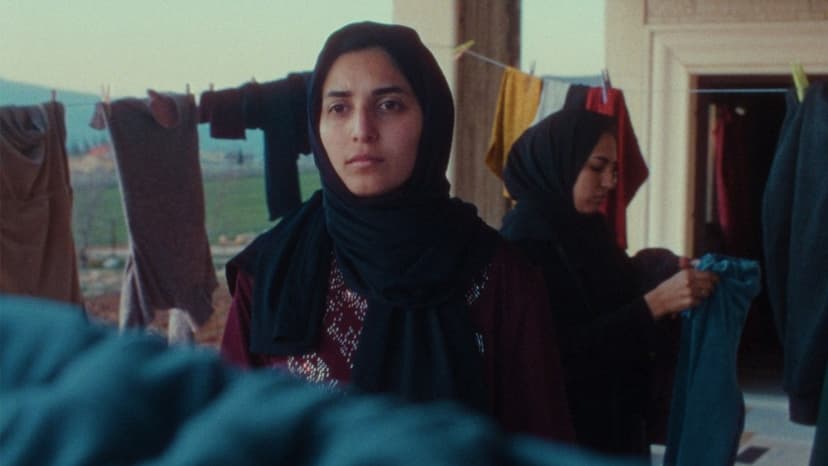
Iconoclastic Palestinian filmmaker Rakan Mayasi's debut feature, "Yesterday the Eye Didn't Sleep," has captivated audiences, notably at the Cannes Film Festival's Un Certain Regard section. The film offers a poetic and powerful glimpse into a Bedouin community residing in Lebanon's Bekaa Valley, drawing inspiration from Mayasi's own grandmother.
Central to the narrative are two women ensnared in a tribal blood feud, depicted through a visionary aesthetic influenced by Abbas Kiarostami. This distinctive style is further enhanced by exceptional set pieces, commencing with a car engulfed in flames and culminating in a memorable long shot. The film has since been celebrated at numerous international festivals.
A standout sequence is the hallucinatory wedding scene, which Mayasi describes as a journey into a sister's subconscious and imagination. This segment, largely improvised with energetic dancers, deviates from the narrative to explore a psychedelic, theatrical atmosphere. Mayasi intentionally juxtaposes the scene's visual pleasure with a subsequent emotional discomfort for the viewer.
Mayasi, who has lived in Lebanon for two decades, intentionally avoids formulaic narratives often associated with Lebanese cinema, such as focusing on the Civil War. Instead, he seeks out and illuminates communities previously unseen in feature films, believing they offer greater depth. He prefers working with non-professional actors to preserve a fragile authenticity.
His next project, "The Passport," is an absurdist dark comedy partly set in Gaza. It was delayed due to the ongoing conflict but is now in late development. "Yesterday the Eye Didn't Sleep" is continuing its successful festival run, with Mayasi embarking on a tour of eight festivals in October and November.


