Home / Arts and Entertainment / Street Trash Transforms into Oscar-Nominated Animation
Street Trash Transforms into Oscar-Nominated Animation
23 Feb
Summary
- Recycled street waste provided authentic texture for miniature film sets.
- Puppet mouths were digitally replaced to match dialogue seamlessly.
- Actors shaped the script through studio rehearsals, not traditional storyboards.
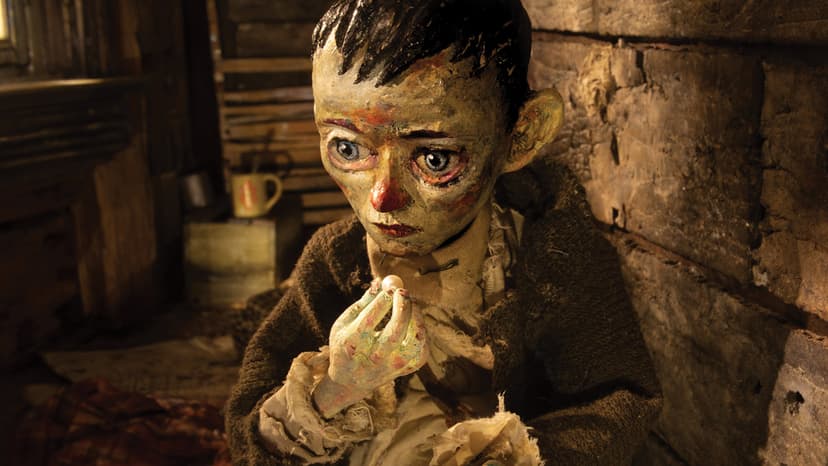
The animated short film "The Girl Who Cried Pearls" achieved Oscar and Annie Award nominations through innovative filmmaking techniques. Directors Chris Lavis and Maciek Szczerbowski ingeniously used recycled street waste to construct authentic miniature sets, aiming to imbue the fabricated world with a sense of genuine history and memory.
This approach aimed to enhance audience immersion by incorporating real materials into the illusionary stop-motion environment. Additionally, the filmmakers digitally replaced the puppets' mouths to ensure perfect lip-sync with the dialogue. The puppet heads themselves were designed to mimic aged wood through multilayered oil painting on silicon molds.
Departing from traditional storyboarding, the creative team involved actors in studio rehearsals. These sessions, captured with handheld cameras, encouraged dynamic gestures that informed the puppets' eventual animation at 24 frames per second. This collaborative process ensured the puppets moved and acted like people, enhancing the handcrafted charm of stop-motion.
"The Girl Who Cried Pearls" features Colm Feore as narrator and music by Patrick Watson. This nomination marks the second Oscar nod for Lavis and Szczerbowski, following their 2007 short "Madame Tutli-Putli." They view the nomination as a significant achievement, representing their country and the National Film Board of Canada.