Home / Arts and Entertainment / Hidden Passage Reveals NYC's Earliest Underground Railroad Link
Hidden Passage Reveals NYC's Earliest Underground Railroad Link
29 Aug
Summary
- A hidden passage in a Manhattan museum was likely used to hide people escaping slavery.
- The Merchant's House Museum announced this finding in February 2026.
- This makes it the earliest known Underground Railroad site in New York City.
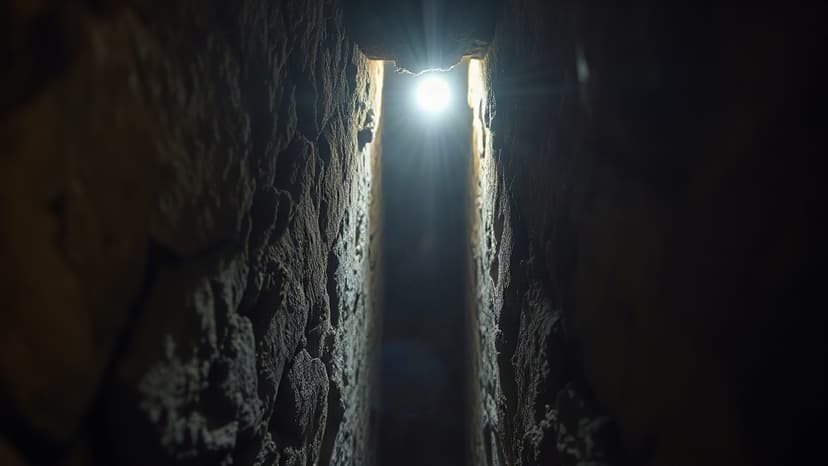
A hidden passage, concealed for decades behind a built-in chest of drawers in Manhattan's Merchant's House Museum, has been identified as a likely site for aiding those escaping slavery. Researchers announced this significant finding in February 2026, interpreting the narrow, 15-foot shaft as part of the Underground Railroad network. The 1832 house, built by abolitionist Joseph Brewster, may have had this secret space incorporated during its original construction, offering a rare physical connection to this history.
The unusual architecture of the passage, with no apparent domestic function, coupled with Brewster's abolitionist views, supports the interpretation of its use for concealment. This discovery is particularly notable as New York City, despite its abolitionist movement, has few surviving physical spaces linked to the Underground Railroad. The Merchant's House Museum, already a preserved example of 19th-century life, now also represents the earliest known site of such activity in the city, broadening its historical narrative.
While the passage's existence was known, its purpose was unclear until recent research integrated architectural evidence with historical context of the period. New York State had abolished slavery in 1827, yet the city's economy remained linked to the South. This era saw discreet operations by abolitionists helping freedom seekers, making intact spaces like the Merchant's House passage exceptionally rare. Further research is anticipated to uncover more specific details about who used the passage and how often.


