

Home / Arts and Entertainment / NYC's No Wave: Memoir of a Raw Music Scene
NYC's No Wave: Memoir of a Raw Music Scene
27 Mar
Summary
- Adele Bertei's memoir captures NYC's gritty 1970s-80s 'no wave' music scene.
- The book details the city's creative explosion amidst financial crisis.
- It explores themes of abuse, queerness, and artistic survival.
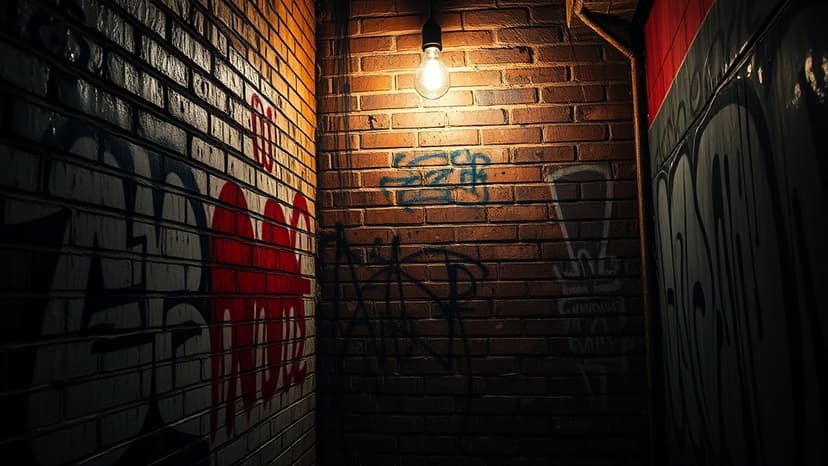
Adele Bertei's memoir offers a visceral portrayal of New York City's experimental 'no wave' music scene during the 1970s and 1980s. Upon her arrival in 1977, Manhattan was a city in crisis, both financially and physically. Amidst this urban decay, a vibrant and creatively open atmosphere thrived, attracting artists seeking self-expression.
Bertei details her immersion into this alternative culture, encountering figures like Lester Bangs and members of Suicide. Her own creative journey blossomed within the 'no wave' movement, characterized by its challenging and innovative sound, often described as 'Dada brutalism.' She joined the Contortions on keyboards, experiencing firsthand the provocative nature of the scene.
The memoir also delves into the darker realities faced by its participants, including the impact of childhood abuse, addiction, and the pervasive sexism and homophobia within the music industry. Bertei navigated these challenges, developing a strong persona while grappling with deep-seated emotional fears.
Ultimately, the 'no wave' scene waned due to factors like the spread of heroin, the AIDS epidemic, and gentrification. Bertei's narrative shifts from active participant to observer, recounting near misses and unrealized opportunities in the subsequent cultural landscape, leaving a lasting testament to a pivotal artistic era.
