Home / Arts and Entertainment / Beyond the Cold: The Heart of Neil Young's 'Trans'
Beyond the Cold: The Heart of Neil Young's 'Trans'
2 Nov
Summary
- Neil Young's 1982 album 'Trans' featured heavy vocoder use.
- The album is often seen as a misunderstood, experimental work.
- Its themes of technology and communication resonate today.
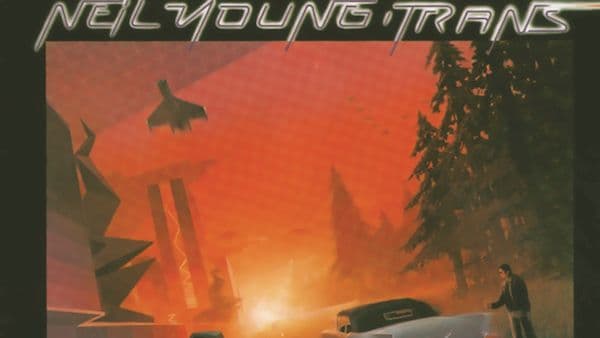
Neil Young's 1982 album, 'Trans,' a polarizing release characterized by new wave influences and extensive vocoder use, is being re-evaluated for its underlying emotional depth. Initially dividing fans and critics, the album's experimental nature has come to be appreciated.
Released in conjunction with the film 'Human Highway,' 'Trans' saw Young transform his sound, setting songs in a futuristic context with synthesized vocals. This warped new wave aesthetic perfectly complemented the film's otherworldly, albeit rudimentary, settings.
'Trans' stands as a unique entry in Young's varied discography, often symbolic of artistic reinvention or bold experimentation. Unlike the provocative stances of artists like Bob Dylan or Lou Reed, Young's transformations on 'Trans' felt more natural and earnest.
The album grapples with themes of humanity's struggle against technology, with songs like 'Computer Cowboy' and 'We R in Control' depicting dystopian futures. Despite its '80s sonic relic status, 'Trans' contains pop sensibilities informed by krautrock and MTV.
Critical reception for 'Trans' was not as harsh as its legend suggests, though it was a commercial disappointment. The album's concept was significantly shaped by Young's personal experiences, particularly his son Ben's cerebral palsy diagnosis and his struggles with communication.
Originally conceived with a different film project, 'Trans' also incorporated songs from an intended album titled 'Island in the Sun.' The song 'Little Thing Called Love' from these sessions, for instance, shows a clear connection to Young's celebrated songwriting style.
The album's thematic core revolves around affection and the challenges of communication, directly inspired by Young's fatherhood. The vocoder, in this context, becomes a tool for expressing catharsis and heartfelt messages, even when words are difficult to decipher.
Ultimately, 'Trans' represents Neil Young's willingness to confront his own image and challenge listeners' expectations. Its enduring quality lies in its unique conceptual confrontation and the underlying pulse of human connection beneath its electronic exterior.


