Home / Arts and Entertainment / Music Directors: Community Presence vs. Global Star
Music Directors: Community Presence vs. Global Star
14 Apr
Summary
- Conductors' community presence debated as orchestras face declining audiences.
- Some orchestras seek local commitment, others embrace globe-trotting stars.
- Nelsons' departure from Boston highlights issues with touring commitments.
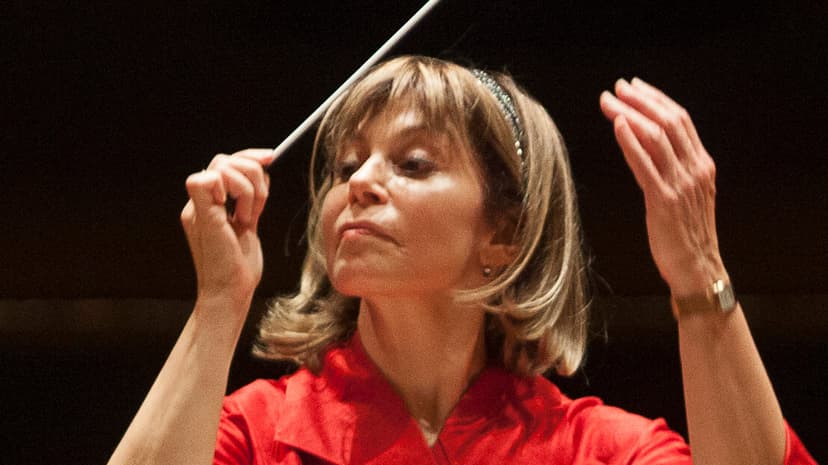
The evolving role of music directors is at the forefront as orchestras seek to reconnect with audiences and address budget shortfalls. JoAnn Falletta, music director of the Buffalo Philharmonic Orchestra for 25 years, exemplifies a commitment to deep community involvement, residing in the city she serves. This contrasts with the rise of celebrity conductors like Klaus Mäkelä, who maintain multiple international residencies.
This tension is particularly relevant for major American ensembles like the Los Angeles, Boston, and San Francisco orchestras, all searching for new leaders. The recent departure of Andris Nelsons from the Boston Symphony Orchestra, partly due to extensive touring with another ensemble, highlights the challenges of balancing global careers with local responsibilities.
Experts like Thomas W. Morris question the artistic accountability of conductors with limited time in any single city. Conversely, figures like Matías Tarnopolsky of the New York Philharmonic emphasize the importance of conveyed presence and passion, citing incoming director Gustavo Dudamel as an example of embracing a civic role.
While the allure of international guest conducting and multiple orchestra affiliations offers artistic and financial benefits, the need for a conductor's dedicated presence is increasingly recognized. Orchestras are re-examining what a music director's commitment entails, balancing the demand for artistic vision with the need for collaborative leadership within the community.


