
Home / Arts and Entertainment / Mr. Robot: The Digital Age Taxi Driver
Mr. Robot: The Digital Age Taxi Driver
4 May
Summary
- Mr. Robot is a techno-thriller spiritual successor to Taxi Driver.
- Both feature isolated protagonists battling societal ills.
- Unsettling themes of both works have become increasingly realistic.
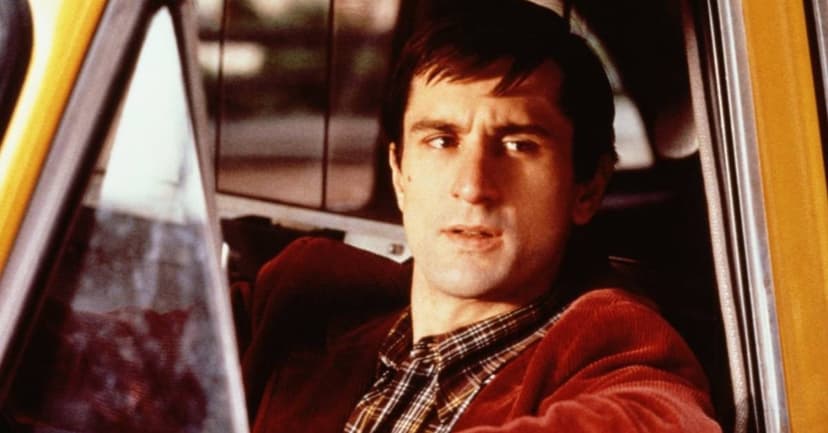
Martin Scorsese's 1976 masterpiece "Taxi Driver," starring Robert De Niro, remains a seminal film exploring societal alienation and a dangerous antihero. Over a decade ago, the USA Network's "Mr. Robot" emerged as a profound spiritual successor, capturing similar themes for the digital age.
"Mr. Robot," an epoch-making techno-thriller, shares surface-level similarities with "Taxi Driver," including its New York setting and cinematography. However, their deepest connection lies in their increasingly relevant and unsettling thematic explorations. Both works showcase protagonists driven by paranoia and delusion, battling societal ills while succumbing to their own vices.
Travis Bickle's crusade against New York's decay in "Taxi Driver" finds a modern parallel in "Mr. Robot's" fsociety, a hacking group targeting systemic corruption. The series meticulously unravels the fractured psyche of Elliot Alderson, portrayed by Rami Malek, whose journey echoes Bickle's intense social isolation and vigilantism. Christian Slater's performance as the titular Mr. Robot further complicates the narrative, oscillating between an enigmatic figure and an observer of Alderson's descent.
Both "Taxi Driver" and "Mr. Robot" have aged exceptionally well, their once-confronting themes of hypocrisy, isolation, and the nature of reality becoming eerily prescient. This shared uncanny relevance solidifies their status as deeply unsettling, yet undeniably valuable, viewing experiences.
