

Home / Arts and Entertainment / McCartney's Post-Beatles Songwriting Journey
McCartney's Post-Beatles Songwriting Journey
25 Feb
Summary
- Documentary explores Paul McCartney's prolific decade after The Beatles' breakup.
- Film highlights McCartney's deep bonds with Linda Eastman and John Lennon.
- It examines McCartney's solo work, including the album 'Ram'.
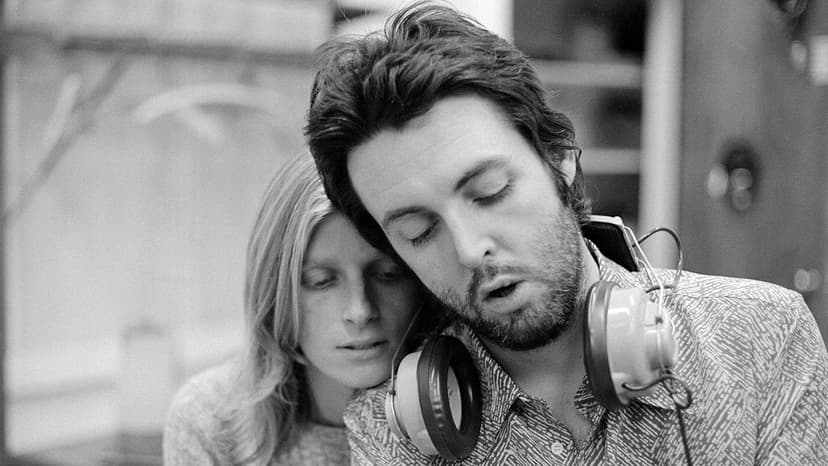
Morgan Neville's documentary, 'Man on the Run,' offers a stylish exploration of Paul McCartney's creative output in the decade after The Beatles disbanded.
The film avoids a detailed chronological album breakdown, instead utilizing new and archival interviews as voiceover commentary. This approach creates a dynamic interplay of observations and visuals, highlighting McCartney's innate talent for crafting infectious melodies.
At its heart, the documentary celebrates two pivotal relationships: McCartney's enduring love for Linda Eastman and his complex bond with John Lennon. These connections proved resilient against professional disputes and critical wordplay.
Neville traces The Beatles' rise and the subsequent "Paul is dead" hysteria. The film addresses McCartney's perception of himself as the band's breaker-upper, a narrative he "kind of bought into."
Following the breakup, McCartney retreated to his farm in Scotland. There, he and Linda raised a family and embarked on his solo career, resulting in the album 'Ram,' which received mixed reviews but is now considered a masterpiece by some.
The documentary also touches upon McCartney's post-Beatles band, Wings, exploring his attempts to foster an egalitarian environment despite his immense celebrity. It reveals his working-class aversion to being the boss.
"Man on the Run" incorporates a rich mix of materials, including home movies, Linda McCartney's photography, handwritten lyrics, and demo recordings. Voices from Wings members, his daughters, and other musicians offer diverse perspectives.
Linda McCartney's straightforward presence is a highlight, portraying her role as a supportive partner and a musician in Wings despite initial criticism. The film focuses on their shared experiences during this formative decade.
The decade covered concludes around John Lennon's murder in 1980, a somber end to a period defined by McCartney's desire to "grow up" and navigate the complexities of post-Beatles life.
