


Home / Arts and Entertainment / Mardi Gras Indians: Artistry, Resistance, and Legacy
Mardi Gras Indians: Artistry, Resistance, and Legacy
6 Apr
Summary
- Elaborate suits crafted over a year, costing thousands, honor African roots.
- Tradition dates to the 1800s, symbolizing resistance and community resilience.
- Modern artists gain global recognition, inspiring future generations to preserve culture.
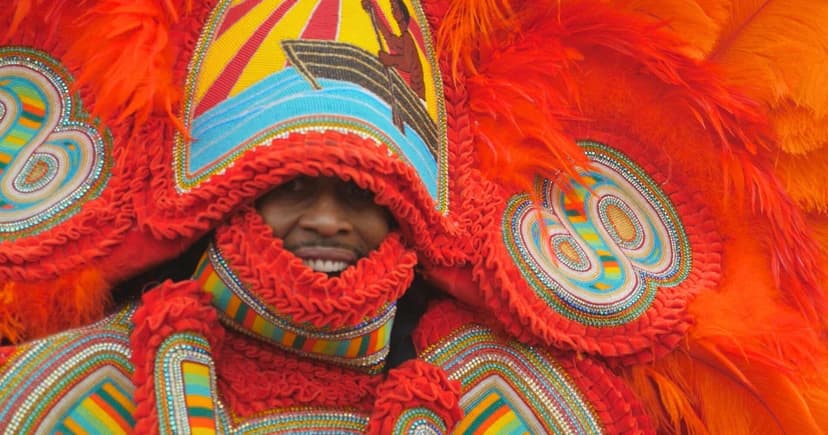
The Mardi Gras Indian tradition in New Orleans is a powerful cultural expression rooted in history and resistance. For generations, tribes have meticulously crafted elaborate, beaded suits over the course of an entire year. These magnificent creations, adorned with thousands of beads, plumes, and rhinestones, can cost as much as $25,000 and are unveiled on Mardi Gras day.
Historians trace this unique culture back to the mid-1800s, suggesting it emerged as a way for formerly enslaved people to honor Indigenous tribes who offered them refuge, while also expressing their African heritage. The tradition, shaped by resistance to oppression, allowed for the practice of forbidden African cultures under the guise of Native American attire.
