Home / Arts and Entertainment / Lizzie Borden: The Untold Truths
Lizzie Borden: The Untold Truths
22 Sep
Summary
- Lizzie Borden was actively involved in her community, unlike depicted.
- She traveled extensively in Europe with her cousins.
- A stomach illness days before the murders was linked to swordfish and mutton.
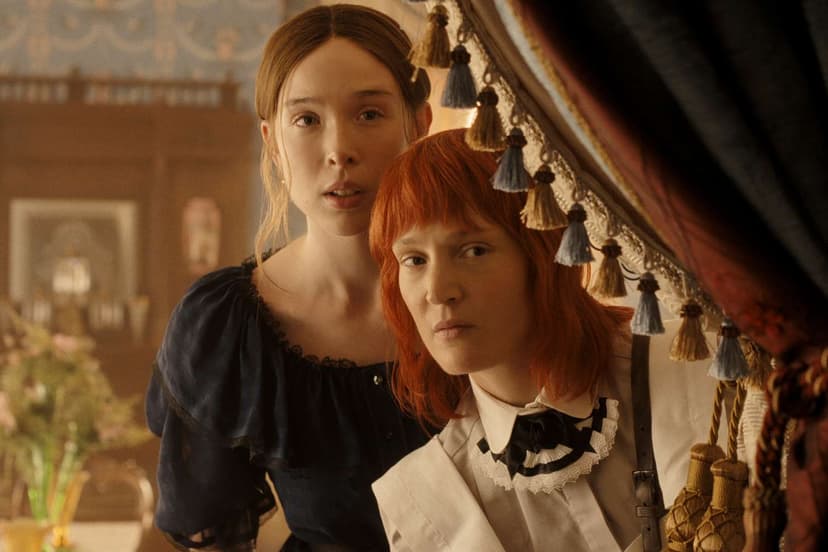
The docuseries 'Monster: The Lizzie Borden Story' omits significant aspects of Lizzie Borden's life, painting an incomplete picture of her. In reality, Borden was a vibrant member of the Fall River community, actively engaging in charitable work such as teaching Sunday school and participating in local missions and temperance unions.
Contrary to the series' portrayal, Lizzie Borden was also a seasoned traveler. At the age of 30, she accompanied her cousins on an extensive month-long tour of Europe, funded by her father. This cultural experience is notably absent from the show's narrative.
The series also simplifies the events leading up to the murders. While it suggests an oyster poisoning attempt, historical records indicate no such illness. Instead, a stomach ailment affected the family days before the murders, traced back to overheated swordfish and mutton, not oysters.
Financial disputes also played a role in Borden's life, particularly regarding her father's property transactions. The series omits the depth of these tensions, including an incident in 1887 where Lizzie and her sister Emma felt bitter about their father purchasing a home for their stepmother.
After her acquittal in 1893, Lizzie Borden's life did not immediately become lavish and crimeless as depicted. Reports suggest she faced accusations of shoplifting porcelain pieces in 1897, although the matter was eventually dropped.
'Monster' concludes with a fictionalized relationship and political involvement for Lizzie. In reality, she became increasingly reclusive in her later years. She died at home on June 1, 1927, at age 66, after a period of declining health following gallbladder surgery.


