Home / Arts and Entertainment / Linklater's 20-Year Film Project Nears Halfway Point
Linklater's 20-Year Film Project Nears Halfway Point
12 Mar
Summary
- Richard Linklater's AFS has grown into a major film production hub.
- His 20-year project, 'Merrily We Roll Along,' is about a quarter complete.
- Linklater sees AI as a valuable tool for independent filmmakers.
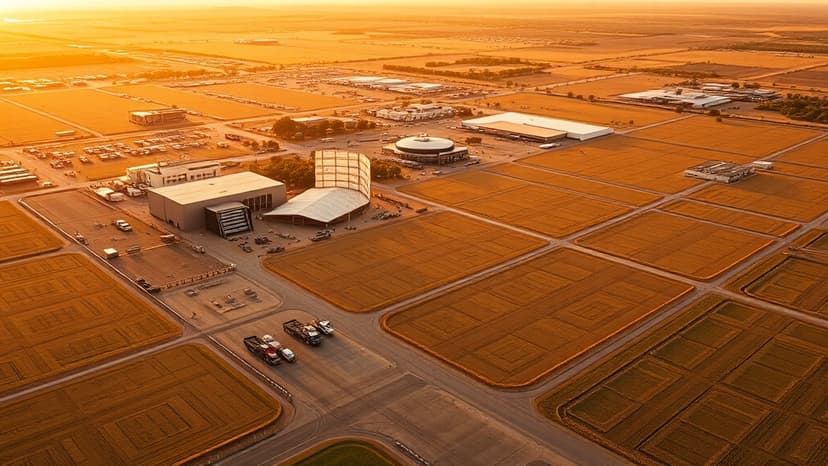
Richard Linklater's Austin Film Society (AFS), founded in 1985 to bring independent films to Austin, has evolved into a major catalyst for the Texas film industry. The organization now operates a 700-acre production lot, significantly contributing to the state's economy, which recently increased film incentives to $150 million annually for ten years.
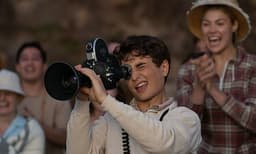
Linklater is currently undertaking a multi-year production of the Stephen Sondheim musical 'Merrily We Roll Along,' a project he expects to conclude around 2039. Similar to his 12-year endeavor with 'Boyhood,' this film captures actors as they age in real-time, with filming having begun approximately twenty years prior to its anticipated completion.
Regarding artificial intelligence, Linklater believes it offers substantial benefits for independent filmmakers, viewing it as a tool to enhance artistic expression and facilitate post-production tasks like sound editing. He acknowledges concerns about AI's potential misuse for creating low-quality content but trusts artists to harness its capabilities innovatively.
AFS has also expanded its initiatives to include a theatrical venue, the Texas Film Awards, and the Texas Film Hall of Fame, celebrating cinematic talent with ties to the state. Recent honorees include Julian Schnabel and Sydney Chandler, recognizing their contributions to filmmaking. The organization aims to revitalize college campus movie theaters, promoting film culture among younger audiences.
Linklater notes that younger audiences, aged 18-34, remain crucial for independent films, recalling the success of 1990s hits. Despite the evolving landscape of streaming and changing distribution models, he emphasizes the importance of engaging with audiences where they are, suggesting the need for new theaters and distributors to ensure the survival of independent cinema.