
Home / Arts and Entertainment / Late Night TV Leaps to YouTube: A New Era?
Late Night TV Leaps to YouTube: A New Era?
27 May
Summary
- Late night TV ad spend decreased by 85% in eight years.
- YouTube and social media creators capture significant ad dollars.
- Creator-led shows offer lower budgets and engage younger audiences.
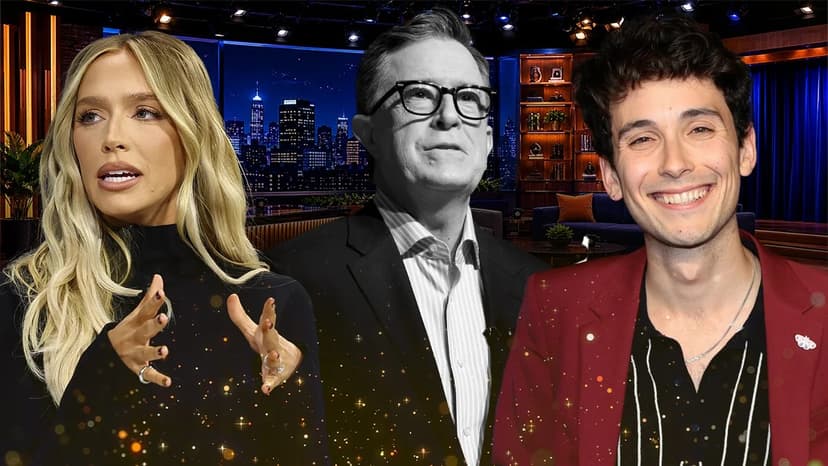
Traditional late night television is increasingly migrating to digital platforms, with YouTube emerging as a key destination. This transition reflects the broader industry shift towards the creator economy, as network late night ratings show a decline in ad revenue, down 85% in eight years to $209 million in 2025. A significant portion of this lost ad spend is now directed towards YouTube, Amazon, and Meta platforms.
New YouTube-based late night shows, such as Ben Gleib's "Good Night," launching on Thursday, are attempting to capture the cultural zeitgeist. These creator-led productions, including popular shows like "Hot Ones" and "Call Her Daddy," are produced at a fraction of traditional network budgets. They are also proving more effective at engaging younger demographics who may not be familiar with legacy network television brands.
"Good Night" plans to incorporate familiar late night elements like monologues and guest interviews but will feature experts and entrepreneurs instead of traditional celebrities. The show aims for a more intimate feel, utilizing YouTube's interactive features for audience participation. Similarly, Julian Shapiro-Barnum's "Outside Tonight" will launch on YouTube on June 17, focusing on a central theme each week rather than daily culture.
While these new shows are not produced by YouTube itself, their creators hope to inspire a wave of similar content. Netflix is also embracing creator-led talk shows, licensing series like Jake Shane's "Therapuss" instead of producing them in-house. This trend extends to celebrity press tours, with many opting for podcasts over traditional late night appearances.
Despite the challenges, traditional late night shows still hold significant sway, with "The Daily Show" leading in YouTube watch time and hosts like Jimmy Kimmel and Stephen Colbert drawing substantial live audiences. However, the evolving media landscape suggests that creators are increasingly defining the future of the talk show format, adapting to where audiences, particularly younger ones, are consuming content.
