Home / Arts and Entertainment / Kore-eda's New Film: AI Android Mimics Lost Son, Sparks Ethics Debate
Kore-eda's New Film: AI Android Mimics Lost Son, Sparks Ethics Debate
13 May
Summary
- Film explores AI's ethical implications by recreating a deceased child.
- Director Kore-eda questions ownership of the dead and human reliance.
- Movie contrasts Eastern and Western views on AI and coexistence.
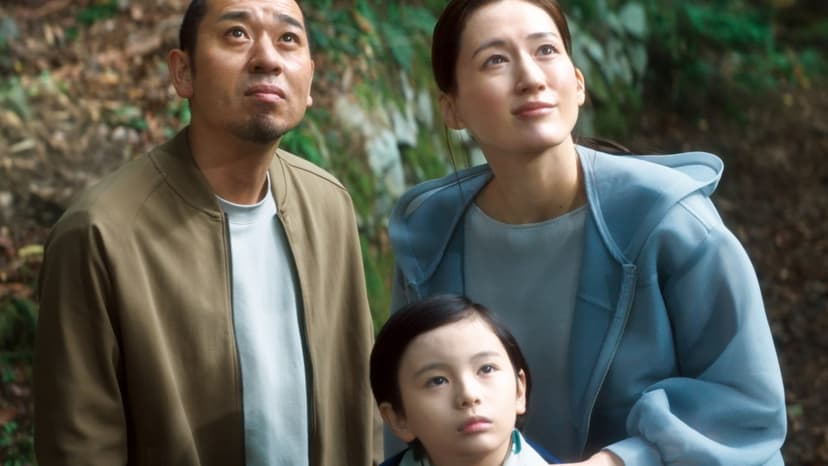
Director Kore-eda Hirokazu's new film, "Sheep in the Box," challenges audiences with its exploration of artificial intelligence and its intersection with grief. The story centers on parents who adopt an AI android designed to look like their late son, Kakeru, forcing a contemplation of humanity's relationship with non-human entities, particularly those representing the deceased.
Kore-eda was inspired by real-world services that use data to 'resurrect' individuals, acknowledging personal regrets about unsaid words to his mother. However, he critically examines the ethical precariousness of using the dead for the living's convenience, posing the question: Who do the deceased truly belong to?
The film's setting, a home designed by an architect mother, symbolizes various "boxes" within the narrative. Kore-eda found inspiration in Japanese architecture, viewing it as a connection to nature and a source of possibility, much like a forest.
Known for his work with child actors, Kore-eda auditioned 200 boys for the role of the android. He noted the unique, free-spirited nature of young male actors, observing a duality in his chosen actor, Kuwaki Rimu, akin to the android's own nature.
"Sheep in the Box" further distinguishes itself by contrasting Eastern and Western views on AI. While the West often associates AI with dystopian futures, the East contemplates its co-existence with humanity. Kore-eda posits that AI may eventually surpass human understanding and form its own community, a concept he likens to children outgrowing their parents and the natural cycles of history.


