Home / Arts and Entertainment / Klimt's 'Lady in Gold': A Stolen Masterpiece's Journey
Klimt's 'Lady in Gold': A Stolen Masterpiece's Journey
2 Mar
Summary
- The "Lady in Gold" was Klimt's golden phase masterpiece.
- Nazis seized the painting after Adele's husband fled Austria.
- Maria Altmann fought for years to reclaim the looted artwork.
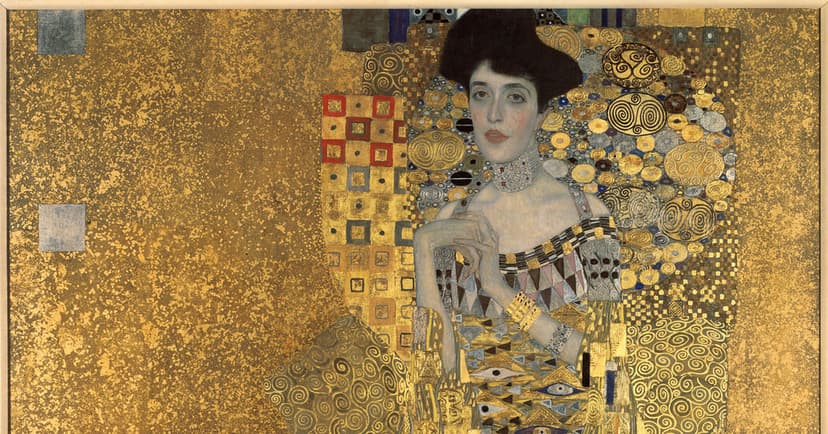
Gustav Klimt's "Portrait of Adele Bloch-Bauer I," a 1907 masterpiece celebrated as the "Lady in Gold," is displayed at New York's Neue Galerie. This shimmering artwork, created during Klimt's golden phase, was inspired by Byzantine mosaics he studied in Italy. The portrait captures Viennese socialite Adele Bloch-Bauer in a sea of gold and intricate symbols.
Originally commissioned by Adele's husband, Ferdinand, the painting became a symbol of Viennese high society. However, its history took a dark turn when the Nazis seized it after Ferdinand fled Austria during World War II. The artwork was later displayed for decades in Austrian museums, stripped of its Jewish identity.
In the late 20th century, Maria Altmann, one of Ferdinand's heirs, initiated a legal fight to reclaim the painting and other looted artworks. After years of legal battles, including a Supreme Court case, Altmann successfully won back the "Lady in Gold." The painting was subsequently purchased for $135 million and now serves as an icon at the Neue Galerie.