Home / Arts and Entertainment / Karlovy Vary: A Bohemian Film Festival's Rich History
Karlovy Vary: A Bohemian Film Festival's Rich History
15 May
Summary
- Festival began in Czech spa towns Marianske Lazne and Karlovy Vary.
- It became a crucial showcase in Soviet-controlled Eastern Europe.
- Jiri Bartoska revitalized the festival in 1994, starting a new era.
The Karlovy Vary International Film Festival traces its origins to the Czech spa towns of Marianske Lazne and Karlovy Vary, with its first iteration in 1946. The town's historical connection to arts and culture provided a fitting backdrop for its emergence.
Following World War II, Karlovy Vary became a key film festival in Soviet-controlled Eastern Europe, alternating with Moscow. It hosted international premieres, including "Salt of the Earth" in 1954, and welcomed filmmakers during the Czech New Wave era.
Following the 1968 invasion of Prague, the festival's return to prominence was delayed until the fall of the Iron Curtain in 1989. In 1994, Czech actor Jiří Bartoška spearheaded its privatization and revitalization.
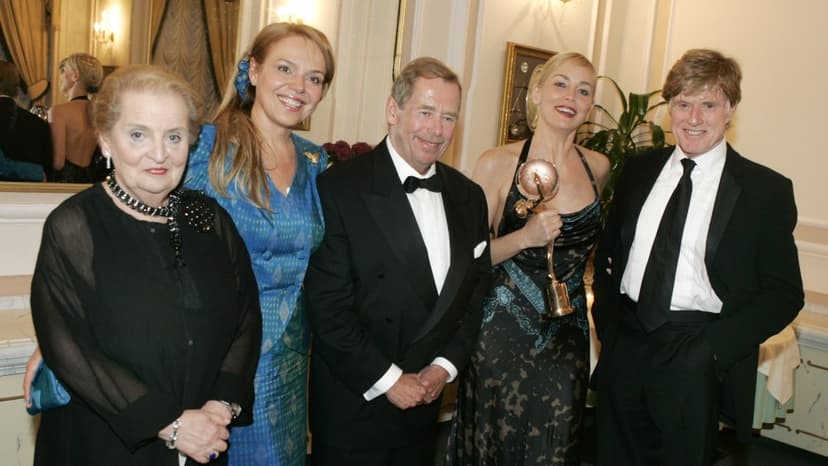
Under Bartoška's leadership, the festival entered a new era, attracting major international stars and focusing on emerging talent. This period also saw the festival foster a unique connection with young cinephiles, creating an intimate yet elegant atmosphere.
Today, led by executive director Krystof Mucha and artistic director Karel Och, Karlovy Vary remains a crucial hub for Central and Eastern European cinema. It is celebrated as a "cinephile festival" and a safe haven for filmmakers, dedicated to creating meaningful moments for audiences.


