Home / Arts and Entertainment / The 1970s Spark: How Kannada Theatre Found Its Purpose
The 1970s Spark: How Kannada Theatre Found Its Purpose
20 Dec
Summary
- Great writers spurred social themes and purpose in Kannada theatre.
- College theatre played a vital role in sustaining the movement.
- Regional troupes emerged, decentralizing theatre from the capital.
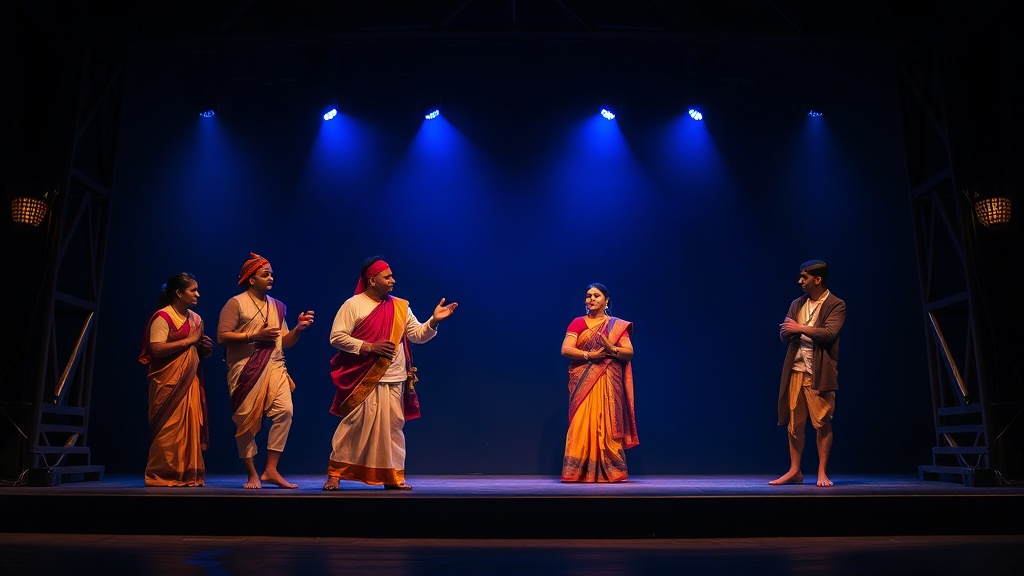
Kannada theatre has long transcended entertainment, functioning as a cultural movement and a space for social reflection. This enduring impact traces back to the 1970s, a transformative period where theatre consciously prioritized purpose over spectacle. Influential writers and directors steered the movement towards progressive social themes, giving rise to significant theatre troupes.
The emergence of institutions like Ninasam and Rangayana in the 1980s further solidified this evolution. These schools provided rigorous training, cultivating a new generation of artistes who disseminated their knowledge across Karnataka. College theatre also played a pivotal role in nurturing talent and ensuring the continuity of the art form.
Initially centered in Bengaluru, Kannada theatre expanded its reach as districts began forming their own troupes. This decentralization, coupled with new literature and cinema, contributed to a broader cultural awakening, solidifying theatre's place as a vital artistic and social force.