Home / Arts and Entertainment / Kakatiya Sister's Temple Replaces Original Muppeswaralayam Identity
Kakatiya Sister's Temple Replaces Original Muppeswaralayam Identity
9 Mar
Summary
- Nidigonda's current temple built in AD 1219, not the original AD 1104 shrine.
- Kakatiya ruler Ganapati Deva's sister Kundamamba constructed the later temple.
- Inscriptions distinguish the AD 1104 Kalyani Chalukya temple from the AD 1219 Kakatiya temple.
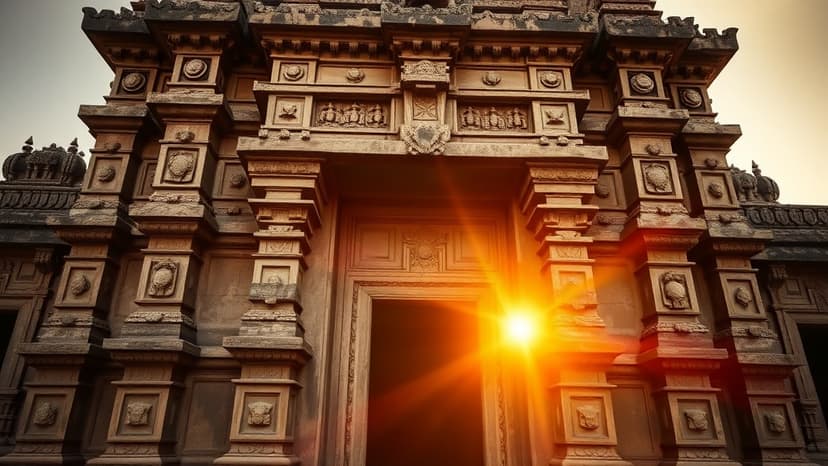
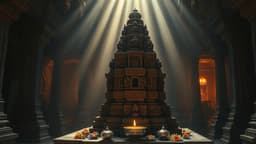
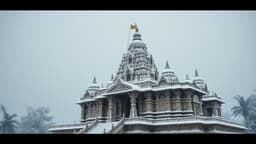
A historical clarification has emerged regarding the Muppeswaralayam in Nidigonda, Jangaon district, concerning its true identity and construction date. The current Trikuta Shaiva temple, which stands in Nidigonda, was not the original Muppeswara Devara temple built in AD 1104. Instead, inscriptions indicate this temple was erected later, in AD 1219.
This later temple was constructed by Kundamamba, the sister of Kakatiya ruler Ganapati Deva. She installed Shiva lingas and other deities, making land donations. The temple reflects the Kakatiya architectural style, similar to the Ramappa temple completed six years prior in 1213.
The original Muppeswaralayam of AD 1104 is attributed to the Kalyani Chalukya tradition and is distinct in style from the Kundamamba-built temple. A historical error has occurred by identifying the AD 1219 temple as the original Muppeswaralayam, a mix-up that now requires correction to preserve accurate historical accounts.
Nidigonda itself shows evidence of habitation from prehistoric times through the medieval period, with various religious centers. The confusion between the two temples, separated by 115 years, stems from the later temple being mistakenly identified as the older one, obscuring its distinct historical lineage and architectural features.