Home / Arts and Entertainment / Mongol Empire's Secrets: A Witch's Tale Unveiled
Mongol Empire's Secrets: A Witch's Tale Unveiled
1 Jul
Summary
- Anime adapts Fatima's story in 13th-century Persia during Mongol invasion.
- Show aims for historical accuracy, employing cultural and language advisors.
- Creative liberties taken to enhance entertainment and modern relevance.
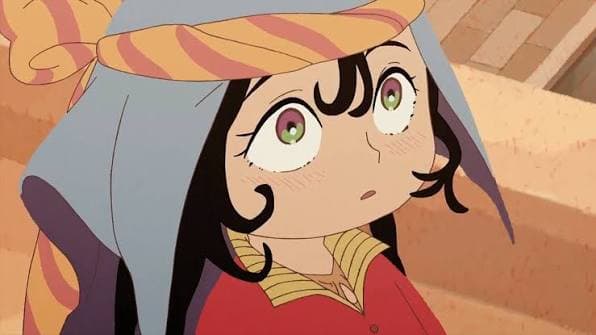
The anime "Jaadugar: A Witch in Mongolia" offers a fictional narrative set in early 13th-century Persia, focusing on a young girl named Sitara.
Based on the manga "A Witch's Life in Mongol," the story begins with Sitara's enslavement and subsequent life-altering experiences following the Mongol invasion. The production team emphasized historical and cultural accuracy, consulting experts for representations of Persian and Mongol societies.
Significant efforts were made to ensure authenticity, including the use of Mongolian language in dialogue, which presented challenges for the Japanese voice actors. Advisors were crucial in portraying nations, customs, and languages, with some Mongol characters speaking in their native tongue.
While aiming for authenticity, the creators also exercised creative freedom. Decisions were made to simplify or enhance elements for audience engagement, sometimes diverging from strict historical accounts to reflect modern cultural perceptions. This approach is evident in stylistic choices that blend historical settings with cartoony character designs, influenced by Disney and Osamu Tezuka.
"Jaadugar" explores the power of knowledge and cultural understanding. The narrative highlights how learning and new experiences profoundly shape Sitara's perspective, fostering respect even for those who caused her homeland's downfall.
The anime premiered in Japan on July 4 on the TV Asahi network. A North American streaming release date is yet to be announced.


