
Home / Arts and Entertainment / The Lost Sound: India's Shehnai Fades from Weddings
The Lost Sound: India's Shehnai Fades from Weddings
5 May
Summary
- The shehnai's mellower sound, attributed to its conical bore, captivated listeners.
- Physics explains how the shehnai's widening tube and reed interaction create its unique timbre.
- Economic factors, specifically affordable keyboards, led to the shehnai's wedding displacement.
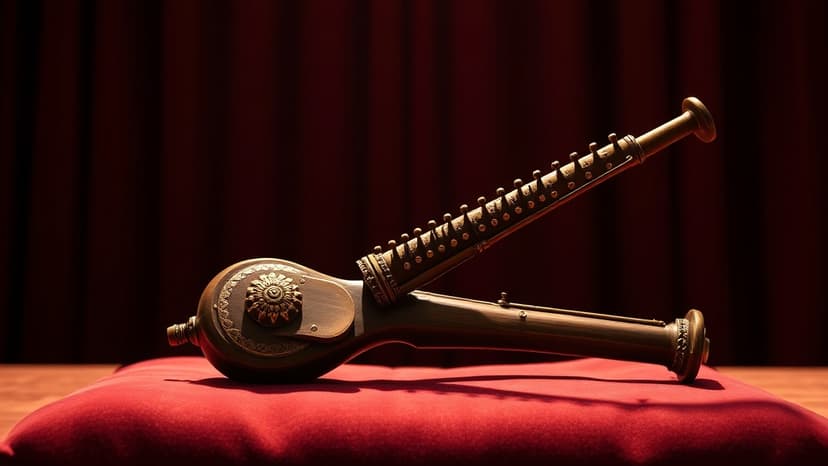
The shehnai, historically India's auspicious sound, has largely fallen silent at modern weddings. For centuries, its distinctive, mellower tone, achieved through a conical bore and vibrating double reeds, filled ceremonial spaces, a sound deeply connected to its origin in Varanasi. This unique timbre, explained by physics, gave the instrument its warmth and character.
Its decline accelerated in the 1980s due to the affordability of electronic keyboards. The economic advantage of a one-time keyboard purchase over the skilled labor of a shehnai player led to its swift replacement in the wedding industry. This shift prioritized cost-efficiency over the instrument's rich acoustic properties and the nuanced performance of its human players.
Though the shehnai's presence has diminished, its legacy endures through the recordings of masters like Ustad Bismillah Khan and its continued, though occasional, use in concerts and temples. The instrument's deep connection to human input and its "auspicious sound" qualities remain, a poignant contrast to the synthesized music now common at celebrations.
