Home / Arts and Entertainment / India's Radio Days: From Shared Moments to Solo Streams
India's Radio Days: From Shared Moments to Solo Streams
13 Feb
Summary
- Radio was India's primary appointment listening before TV and digital.
- Cricket was imagined through commentary, not seen on screens.
- Liberalisation in the 1990s introduced private FM channels and RJs.
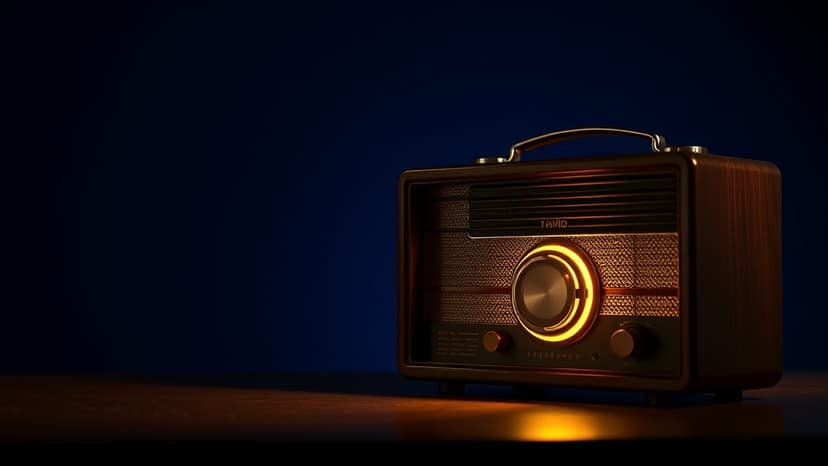
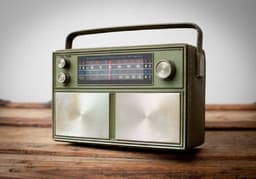
For decades, All India Radio served as India's prime time, its voice reaching across the nation via wooden radio sets. Before the advent of television and digital media, fixed listening hours for news bulletins were an appointment for millions. Radio was a trusted source for everything from war updates and election results to monsoon forecasts, reaching homes that had limited access to information.
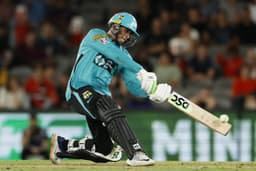
Cricket matches were experienced through vivid radio commentary, with listeners imagining the game rather than watching it. During the 1950s, 60s, and 70s, All India Radio was the country's most powerful medium, bridging literacy and economic divides. It delivered government policy changes and provided reassurance during conflicts like the 1965 and 1971 wars.
Afternoons were filled with music, with Vividh Bharati's film songs offering companionship and entertainment, especially for women. The Binaca Geetmala countdown created shared cultural moments, with millions anticipating popular songs and listener-driven rankings. This fostered collective anticipation and joy.
The liberalization of the 1990s saw the rise of private FM channels like Radio Mirchi, introducing energetic, urban-centric programming with friendly RJs. Radio shifted from a family ritual to an individual companion, moving from car dashboards to auto-rickshaws and offering personalized content.
Although streaming and podcasts now dominate audio, with listeners choosing content individually, radio retains a unique role. It continues to be a vital source of information during disasters and internet shutdowns, keeping farmers informed via community stations and truck drivers awake on long journeys, evoking a sense of collective listening.