

Home / Arts and Entertainment / Indy's Dairy Barn Reborn as Modern Art Haven
Indy's Dairy Barn Reborn as Modern Art Haven
14 Apr
Summary
- A former dairy barn is transformed into a contemporary art museum.
- The museum campus includes affordable housing for resident artists.
- It aims to lower barriers for art engagement and community involvement.
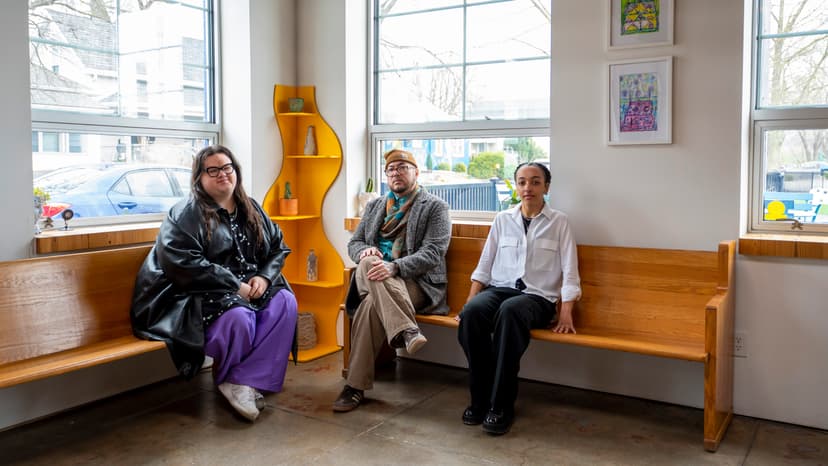
Indianapolis is welcoming a significant new cultural institution with the upcoming opening of the Contemporary Art Museum of Indianapolis (CAMi). This $8 million museum, spanning 40,000 square feet, is a transformation of a former dairy barn in the Garfield Park neighborhood. CAMi is the latest project by arts nonprofit Big Car Collaborative, founded by Jim Walker and Shauta Marsh.
The museum campus, which encompasses five acres, is designed to be a vibrant arts destination. It features six galleries, a performance space, business incubator storefronts, artist studios, and a cafe. This initiative is particularly notable as it provides the city's first dedicated contemporary art museum since Indianapolis Contemporary closed in 2020.
Big Car Collaborative has a proven track record of artistic revitalization in the area. Their vision for CAMi is to create an inclusive space with free admission, aiming to attract a broad audience. This approach includes amenities like a coffee shop and interactive elements to make visitors feel more comfortable.
The campus also prioritizes artists by offering affordable housing. Eighteen colorful houses provide residences for artists and their families, with rents significantly below market value. In exchange for reduced rent, residents contribute 16 hours of community work monthly, fostering a symbiotic relationship between artists and the neighborhood.
CAMi plans to showcase a diverse range of artists, from internationally recognized figures to local talents. Exhibitions will feature immersive installations alongside local stories, reflecting the organization's commitment to valuing both community-focused and high-art practices. This inclusive philosophy extends to supporting artists of color.
Founded in 2004, Big Car Collaborative's growth has been substantial. The founders are now focused on financial sustainability, aiming to secure the final $2 million for construction and pay off loans for the artist homes. Their long-term goal is to ensure the project outlives them and to prevent gentrification from undoing their work, demonstrating a scalable model for urban arts development.
